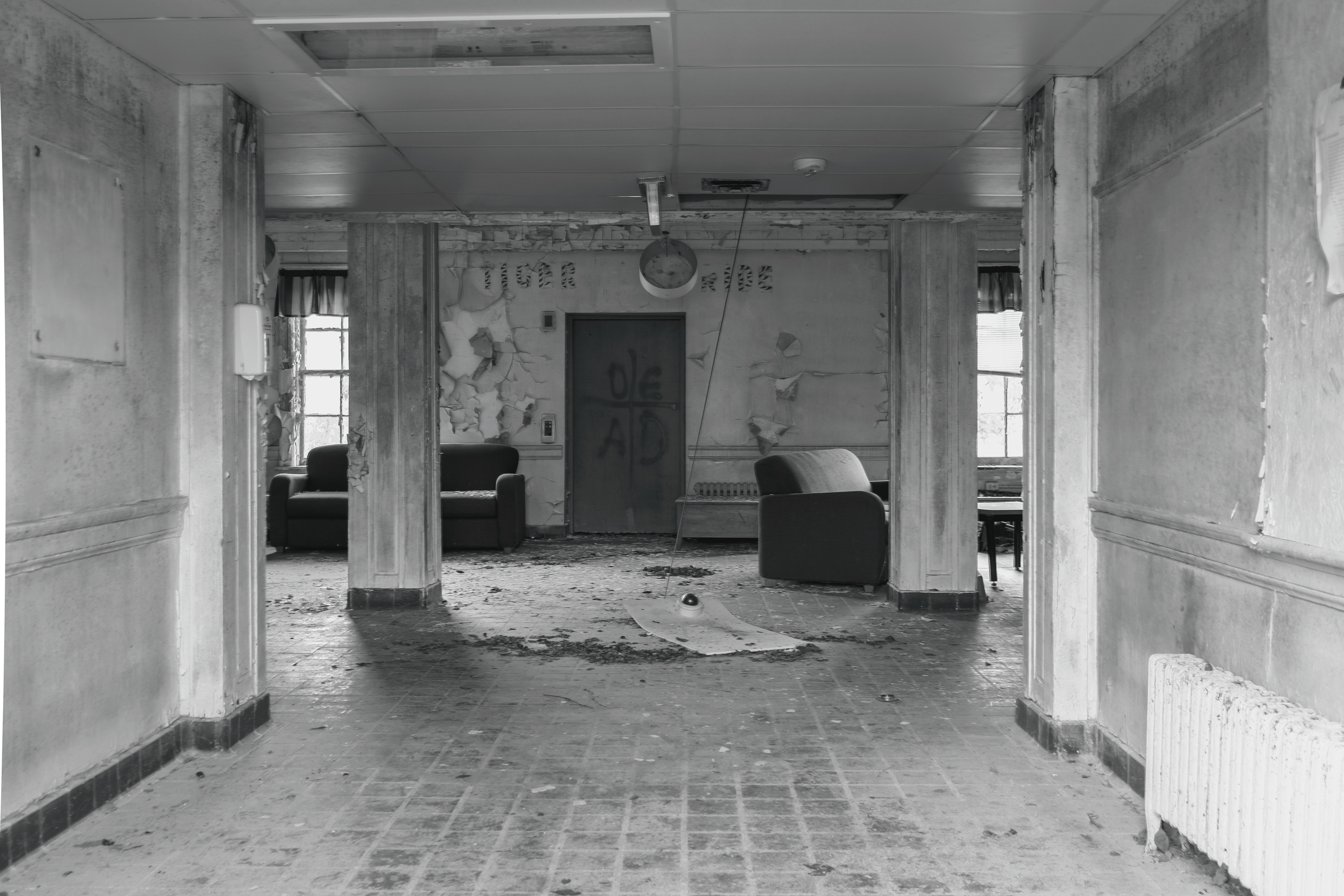
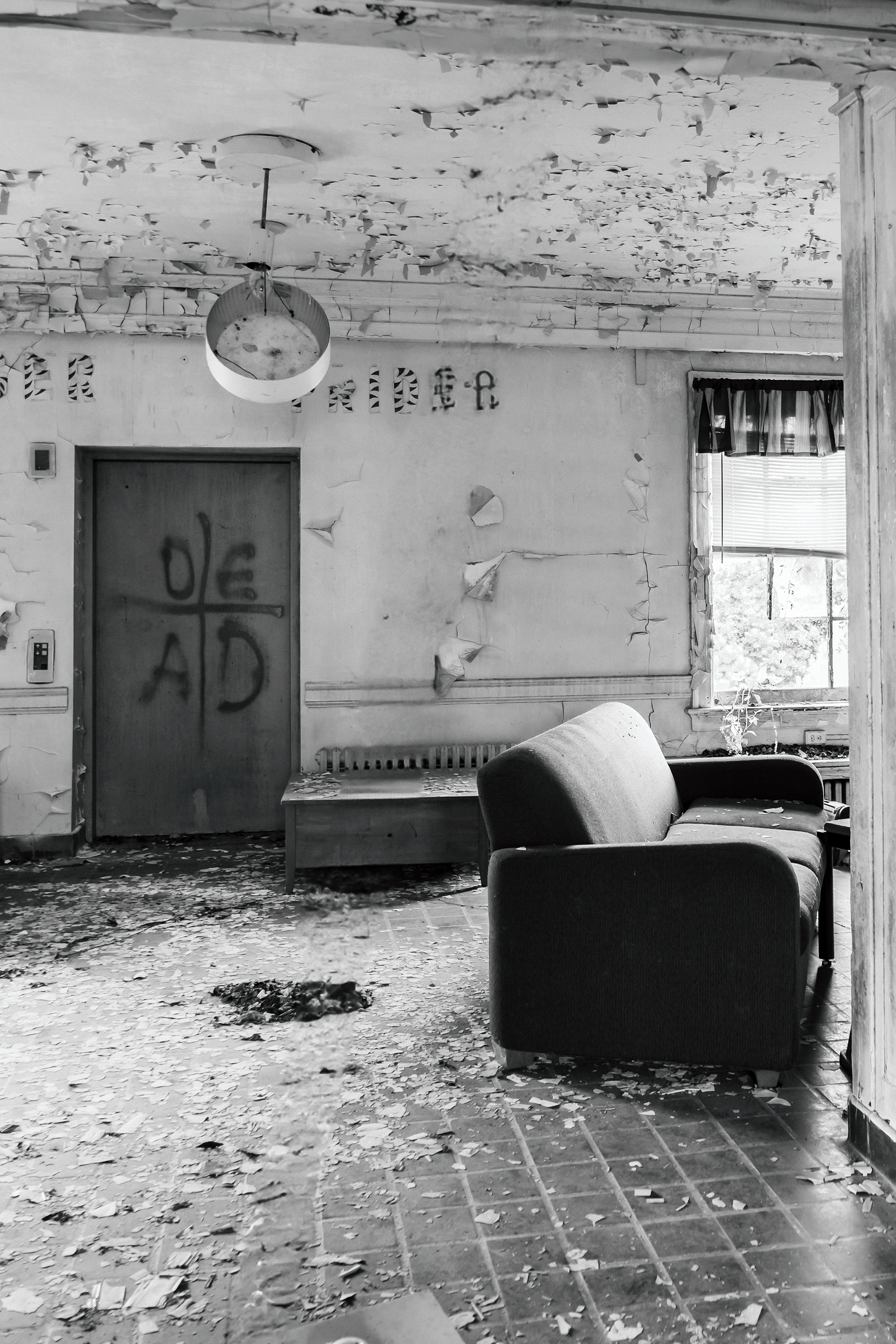
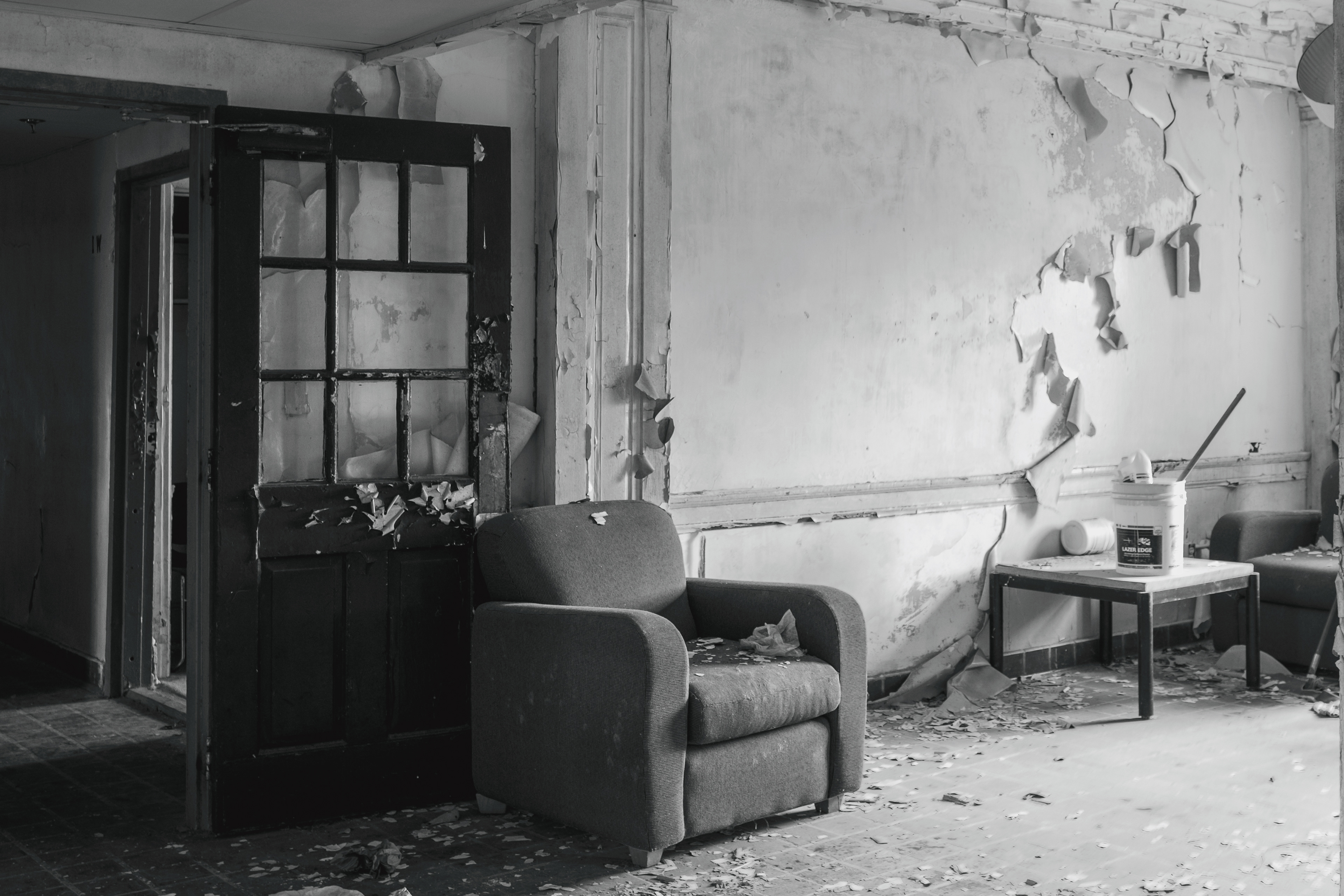
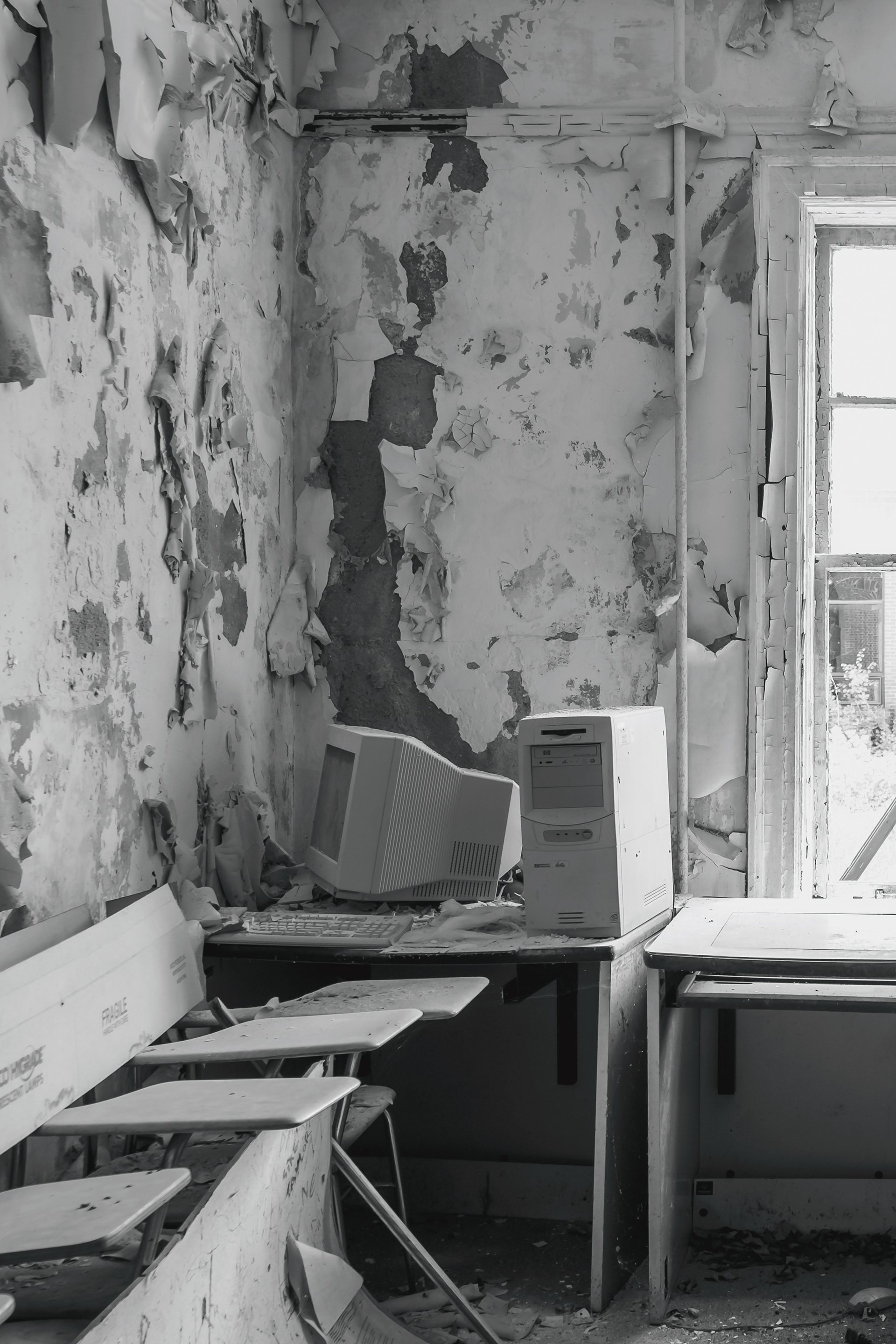
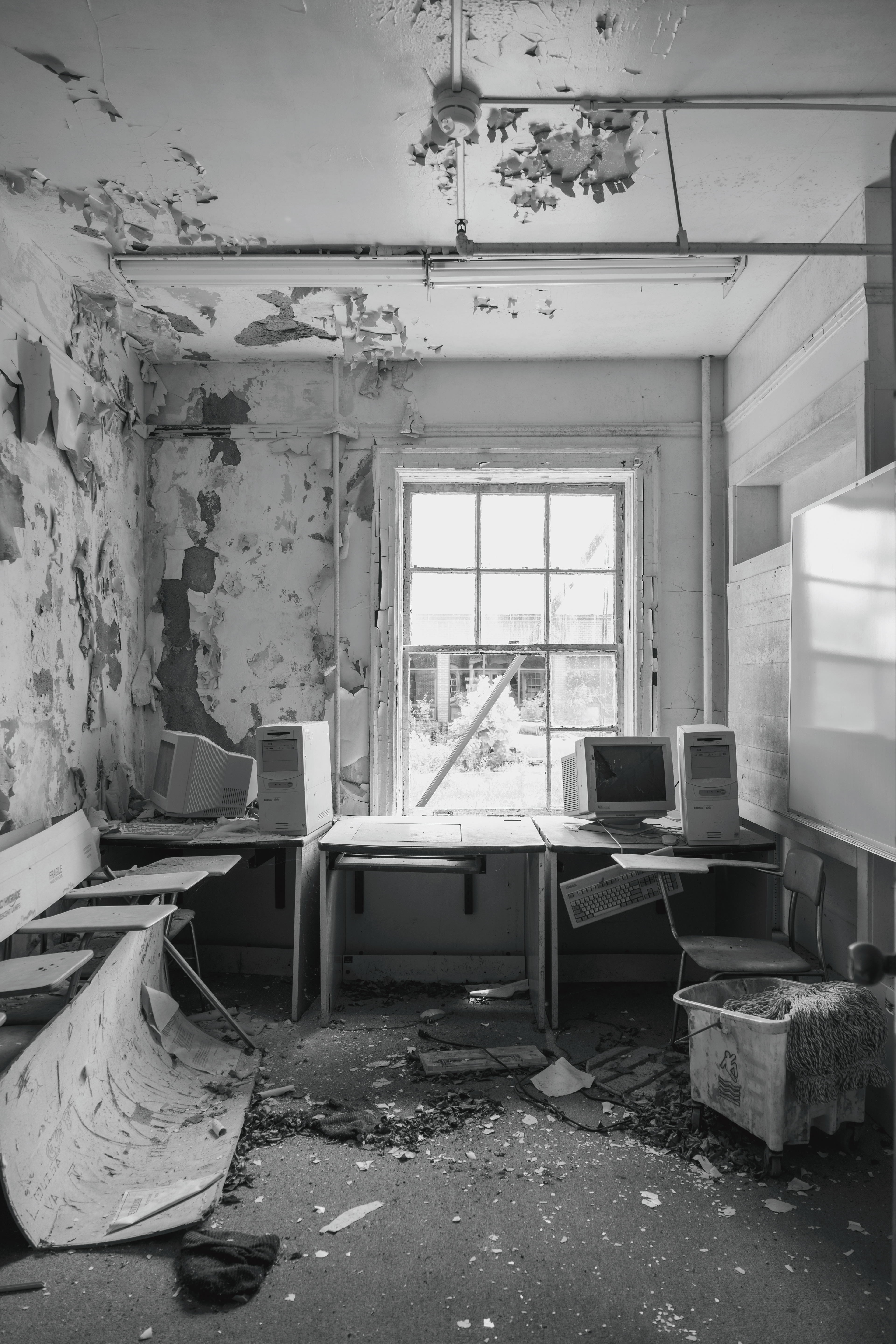
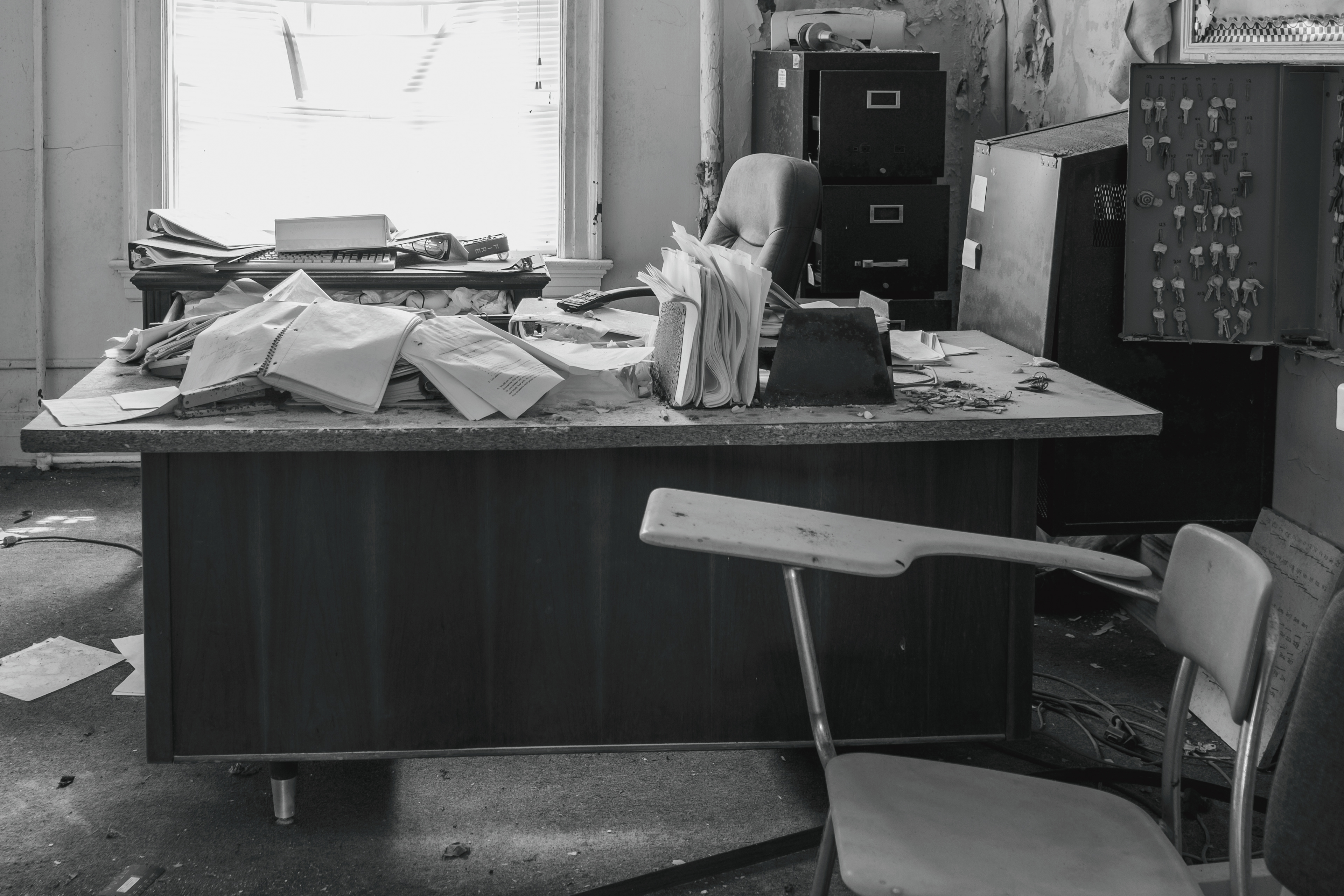
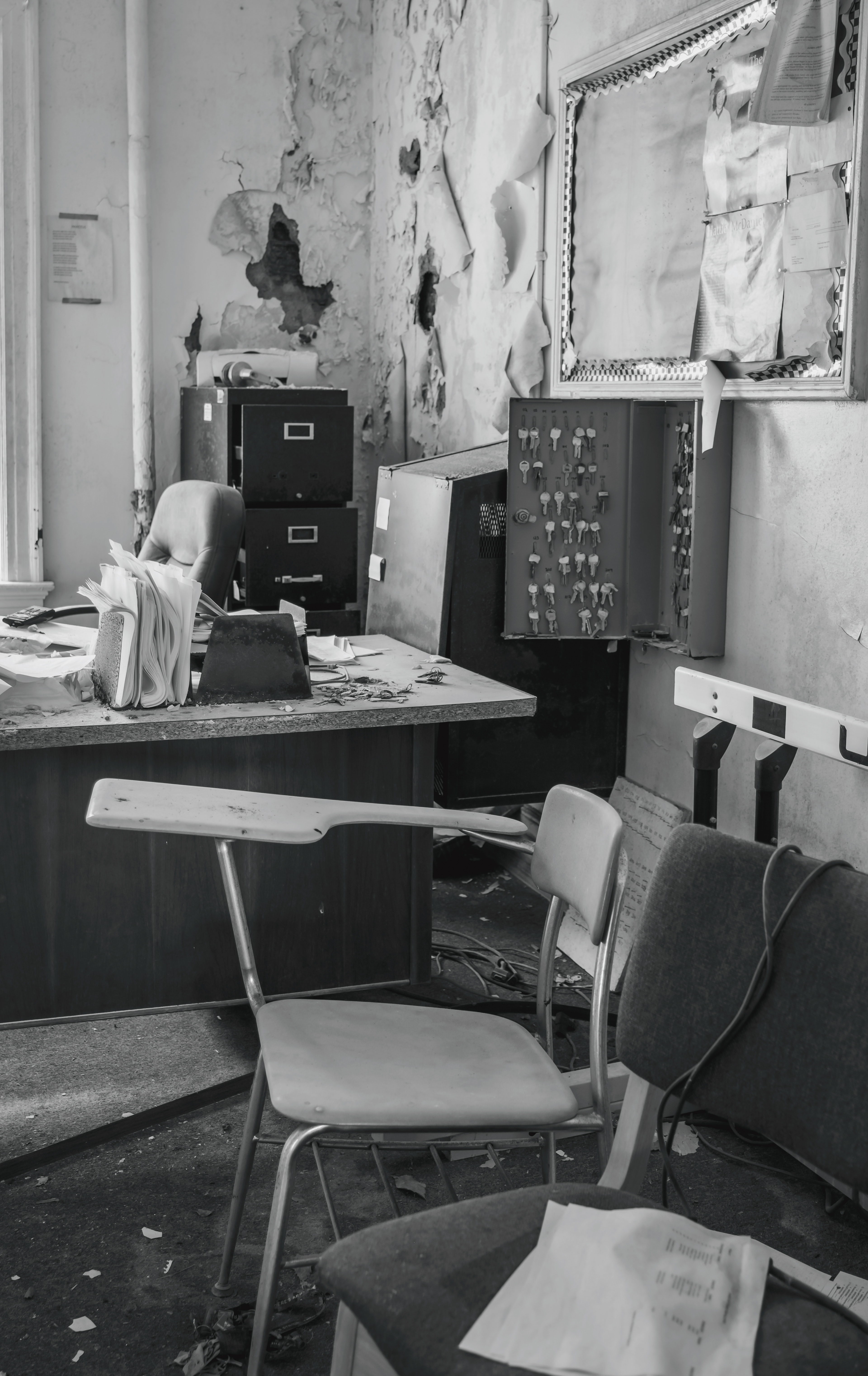
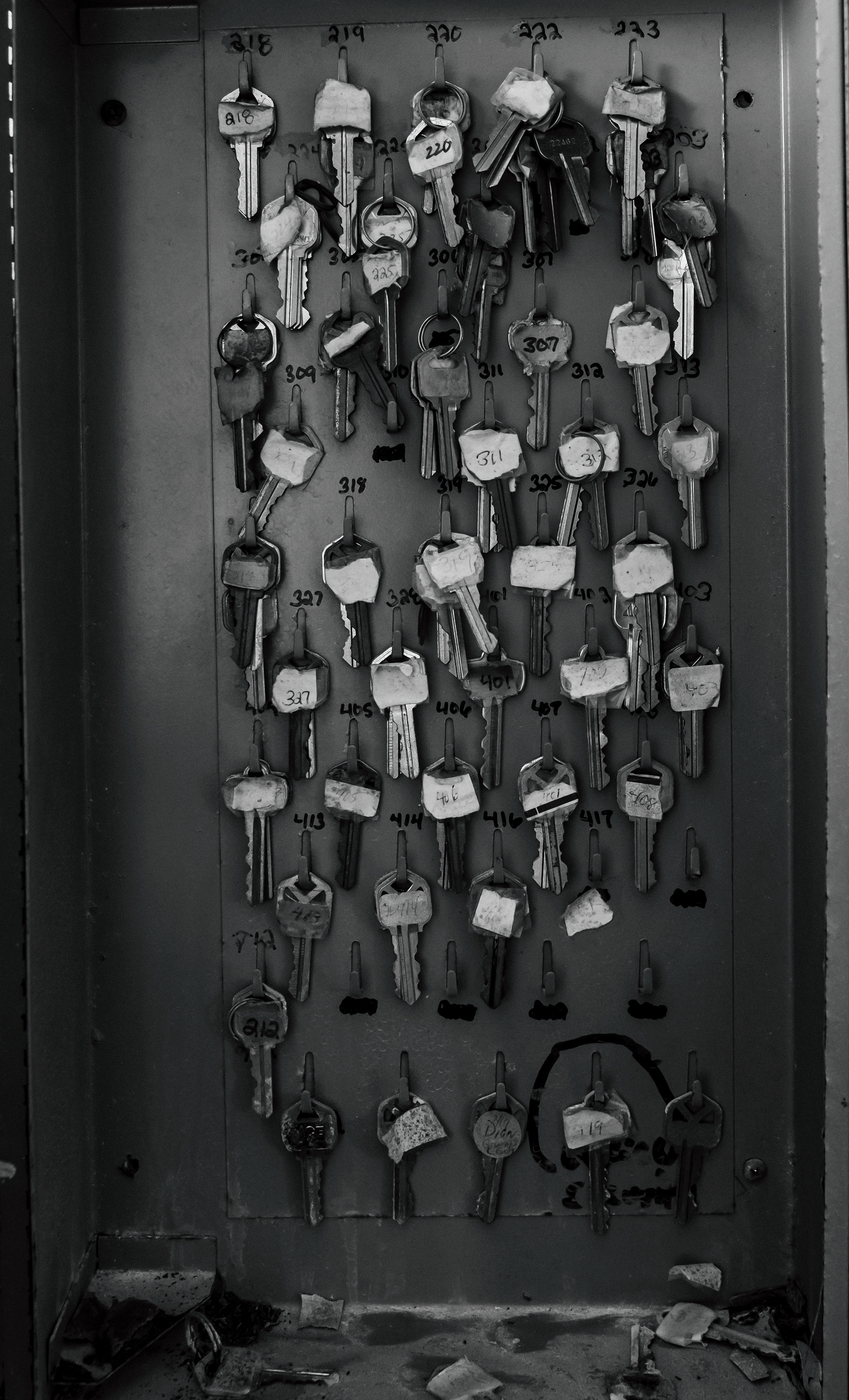
As we were traveling through the state of Virginia, we came across an abandoned College. Walking the grounds and among the deserted buildings was very surreal and eerie, on the level of the Walking Dead.
College History
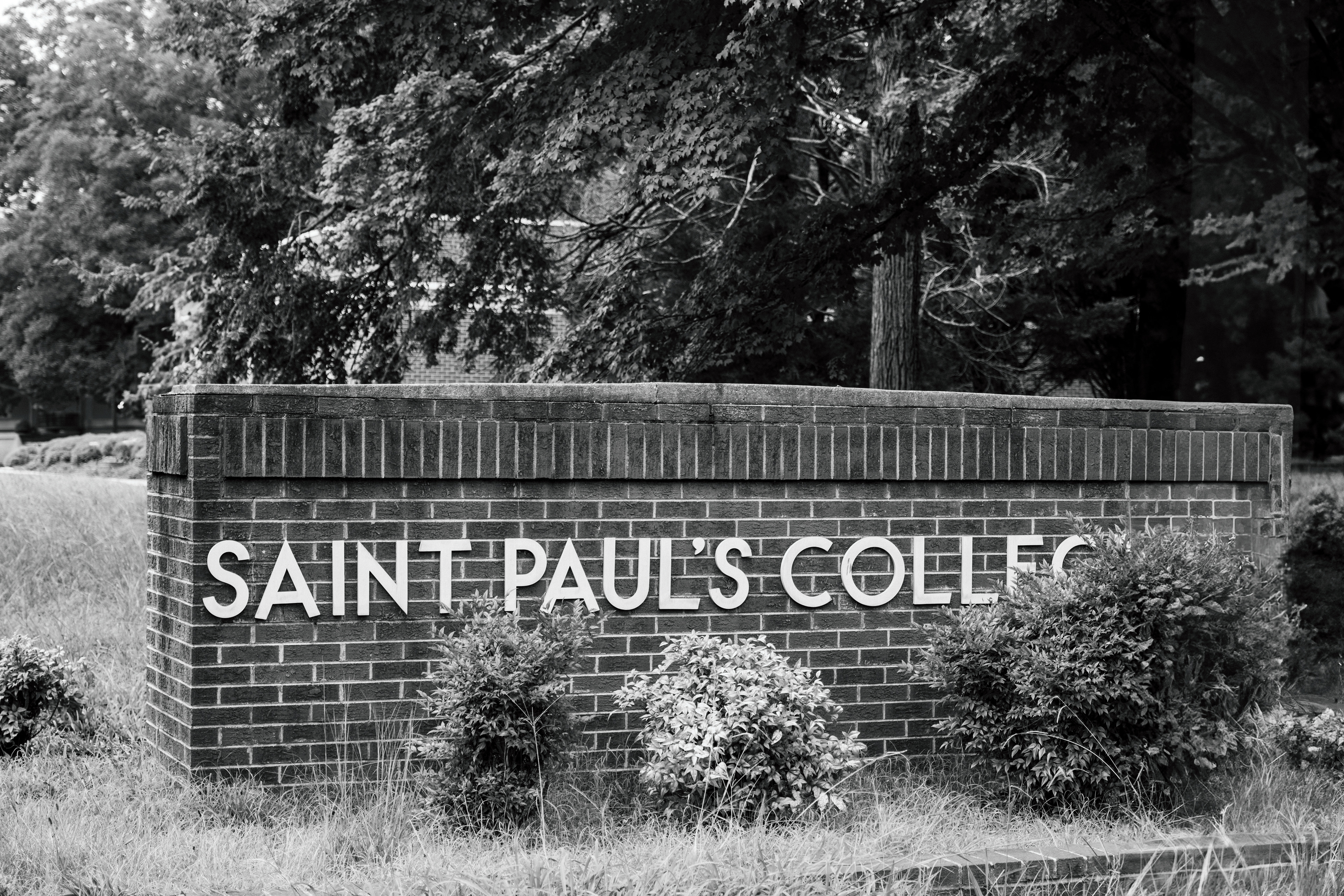
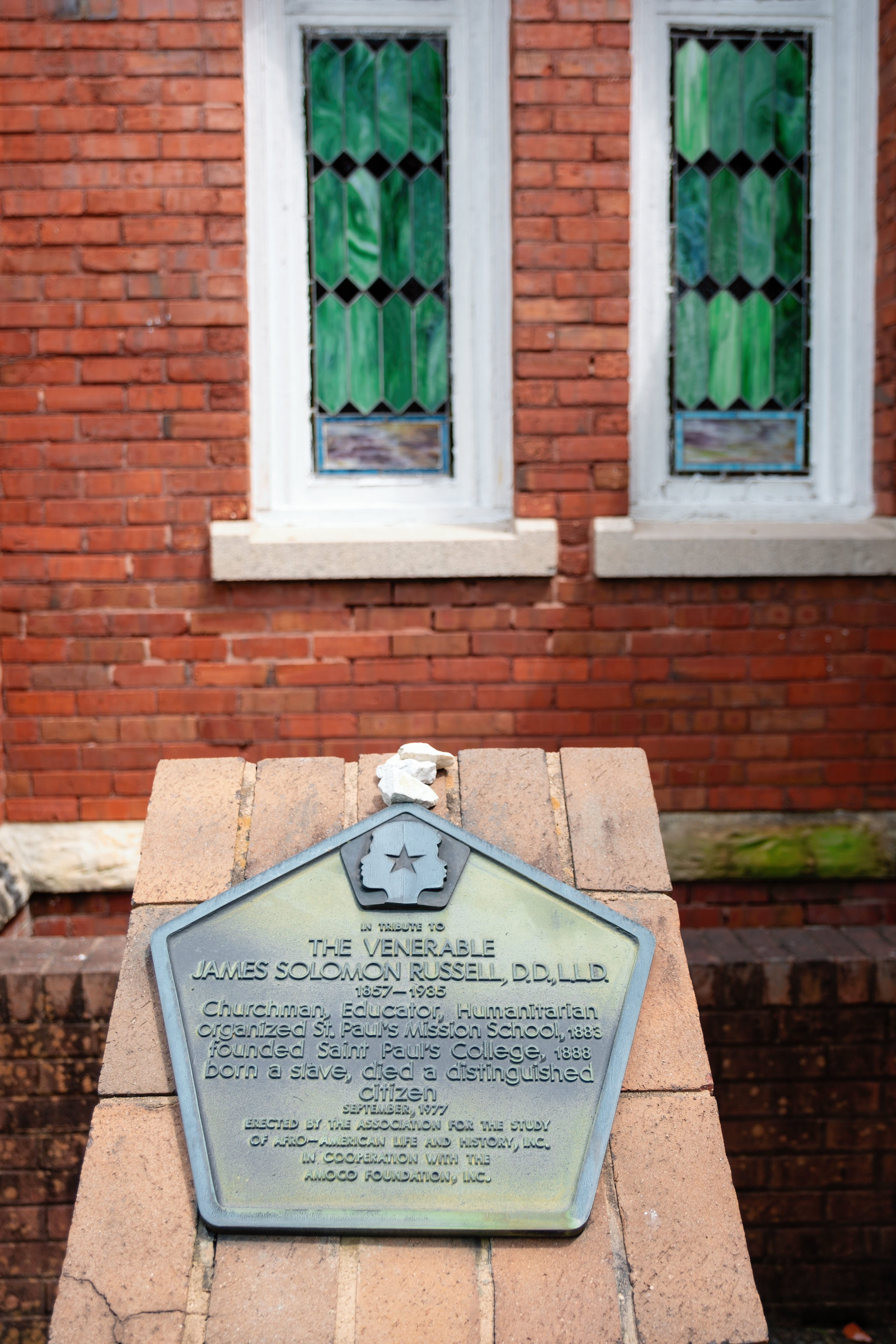
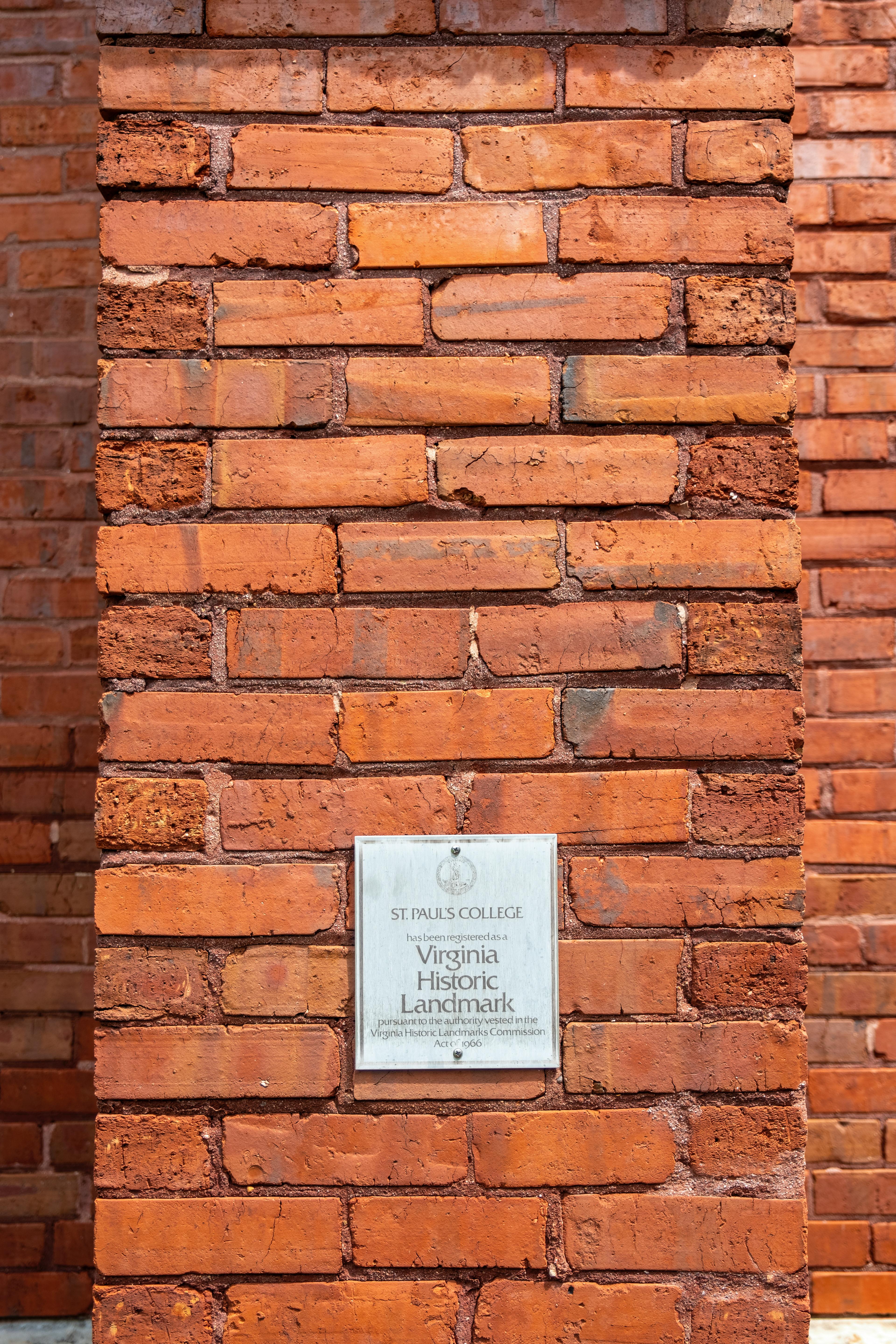
St. Paul's College in Lawrenceville, Virginia, was a historically Black college founded in 1888 by James Solomon Russell, an Episcopal priest and former slave. The college was established with the mission of providing education to African Americans in the post-Reconstruction South, focusing on vocational training and liberal arts education.
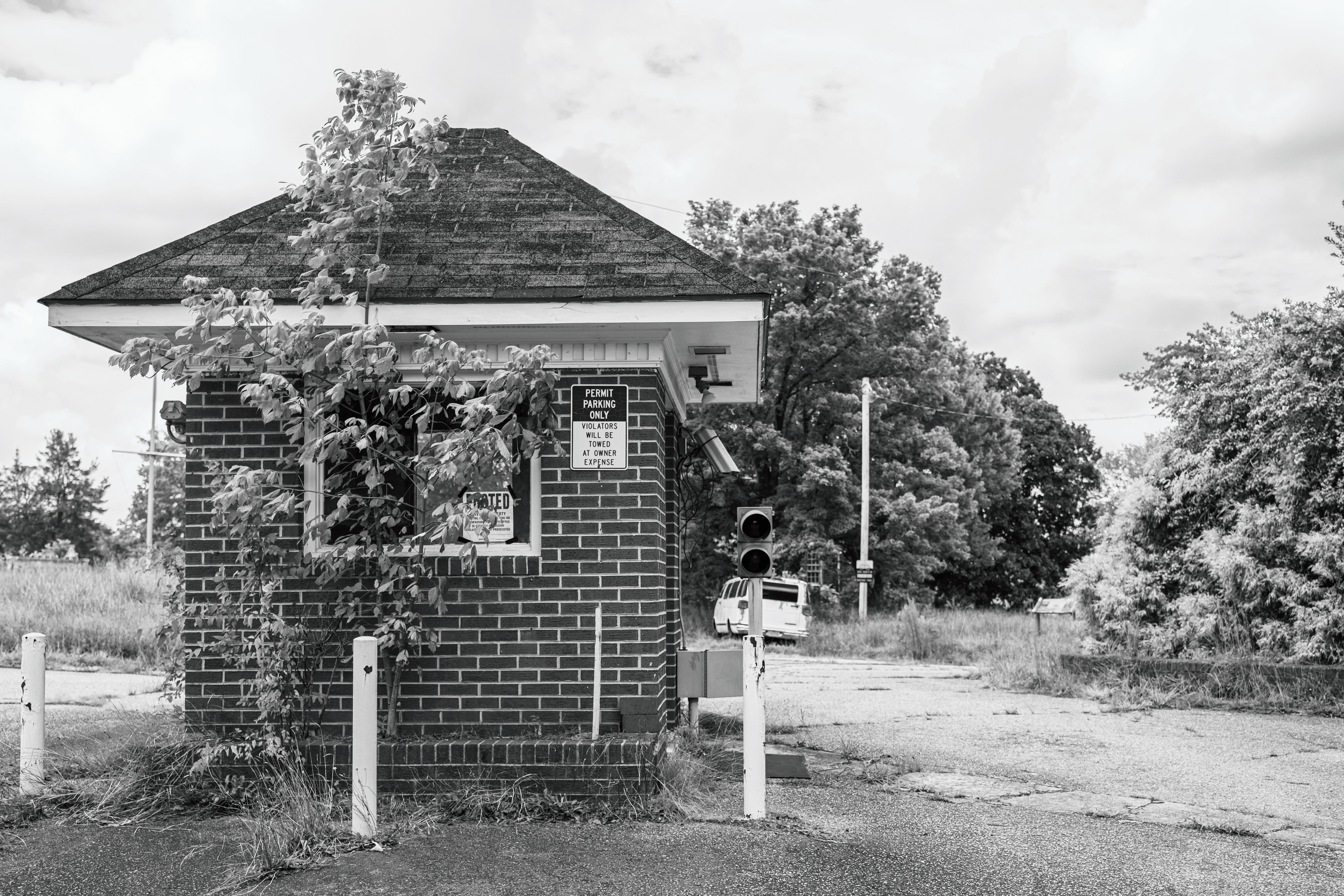
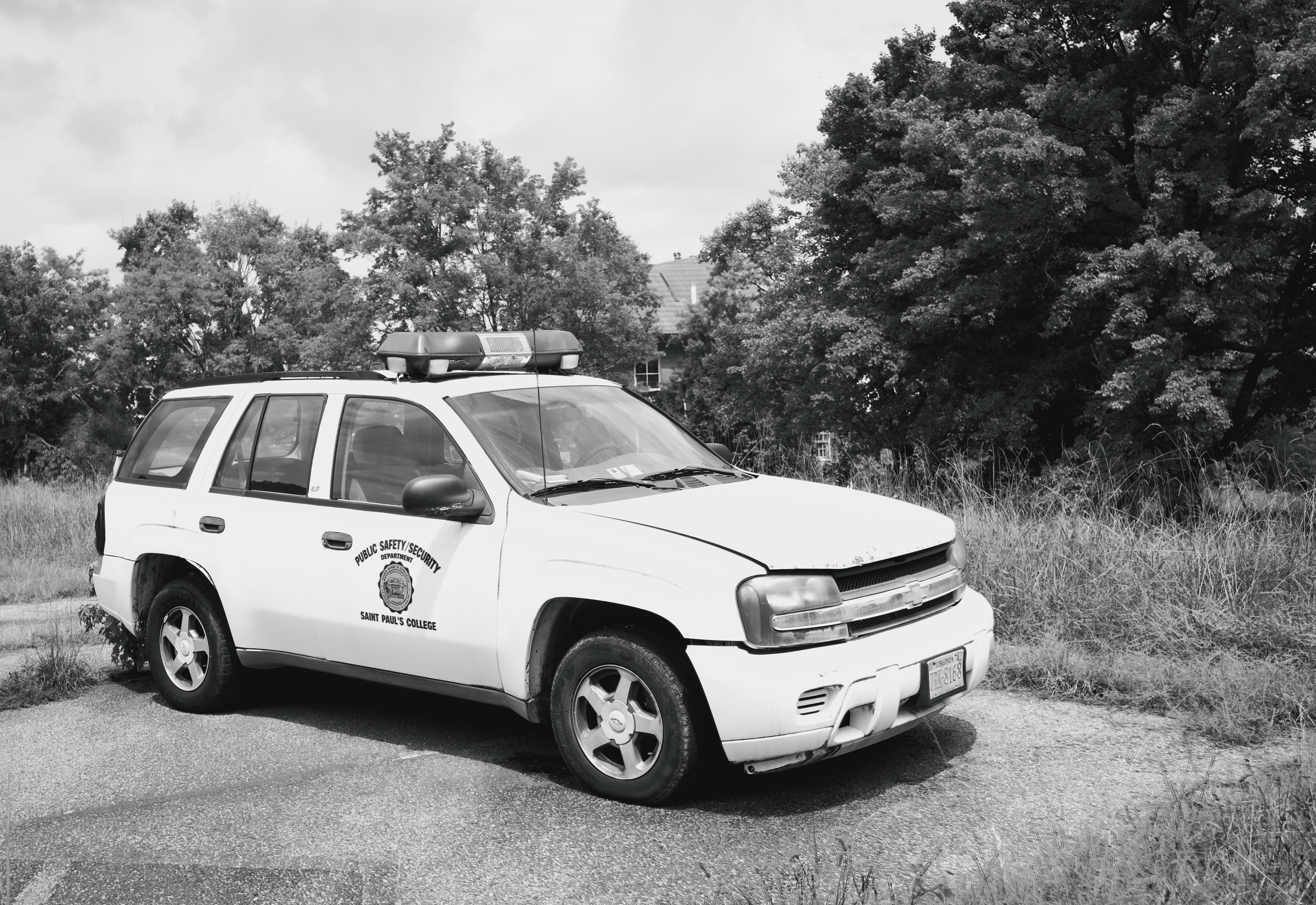
Guard truck still standing on duty at the front gate.
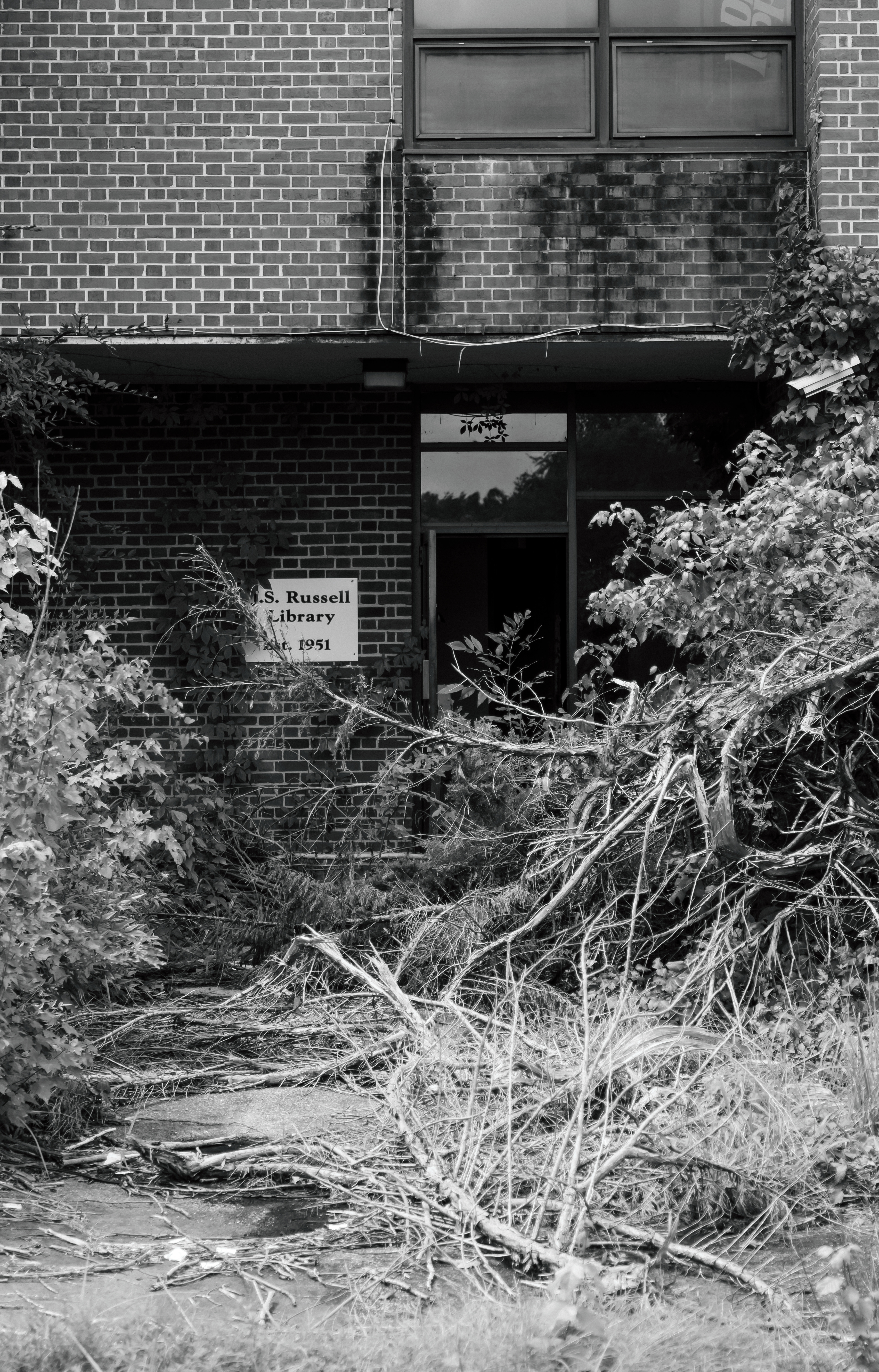
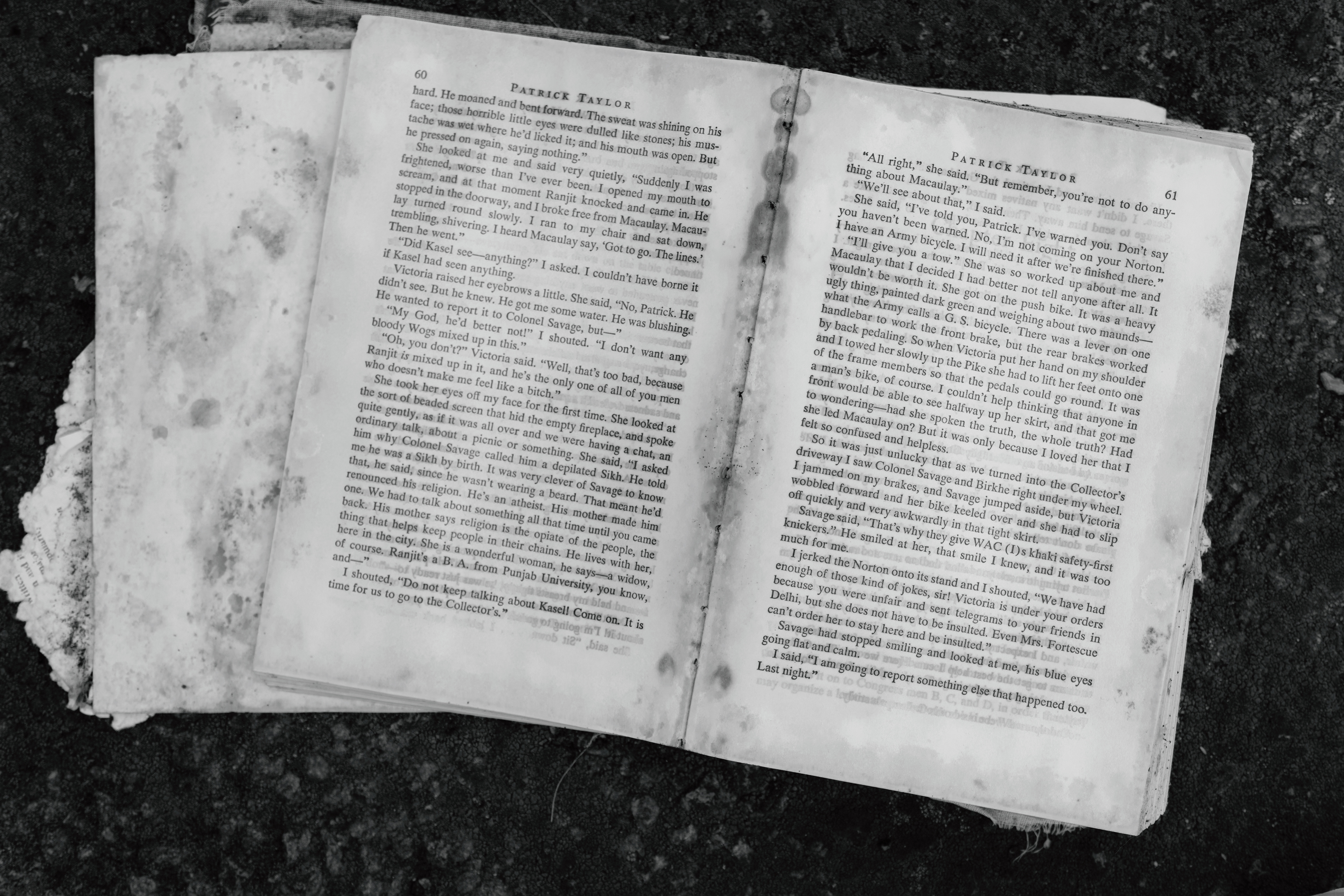
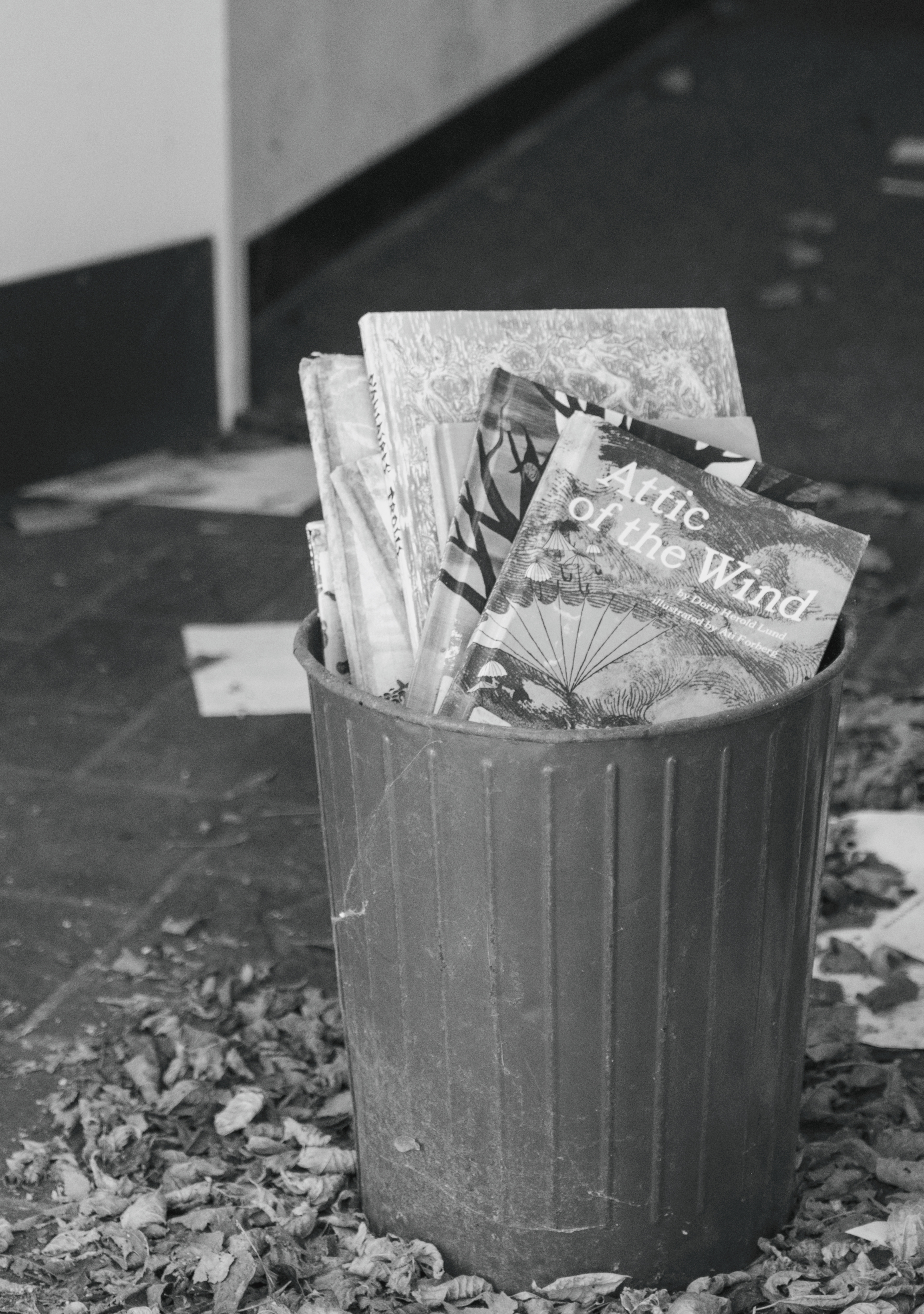
Entering the library, I found the doors closed from the inside and the space engulfed in darkness. For safety reasons, I decided not to go any further. The few books I could see remained untouched, just as they were when the doors were last shut. The rooms were in disarray, likely disturbed by people with little regard for the college and its values. The air was thick with a musty, moldy odor, a clear sign that the weather had infiltrated the building, leaving a powerful scent lingering over the books.
St. Paul’s College was initially founded as the St. Paul Normal and Industrial School, with a strong emphasis on preparing students for teaching and trades.
The school expanded over the years to include a high school and later a junior college, eventually becoming a four-year institution.
The school expanded over the years to include a high school and later a junior college, eventually becoming a four-year institution.
Affiliation with the Episcopal Church:
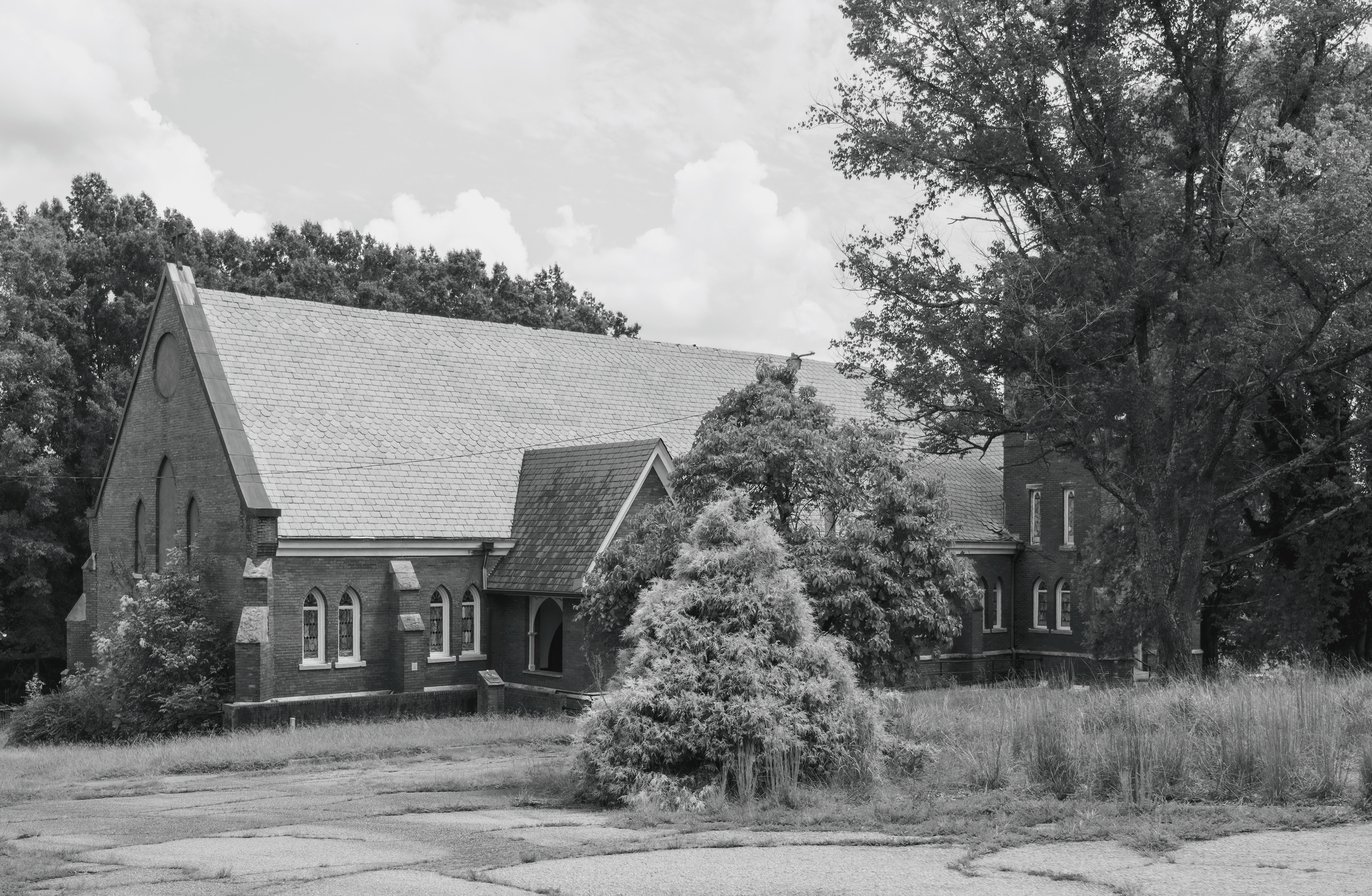
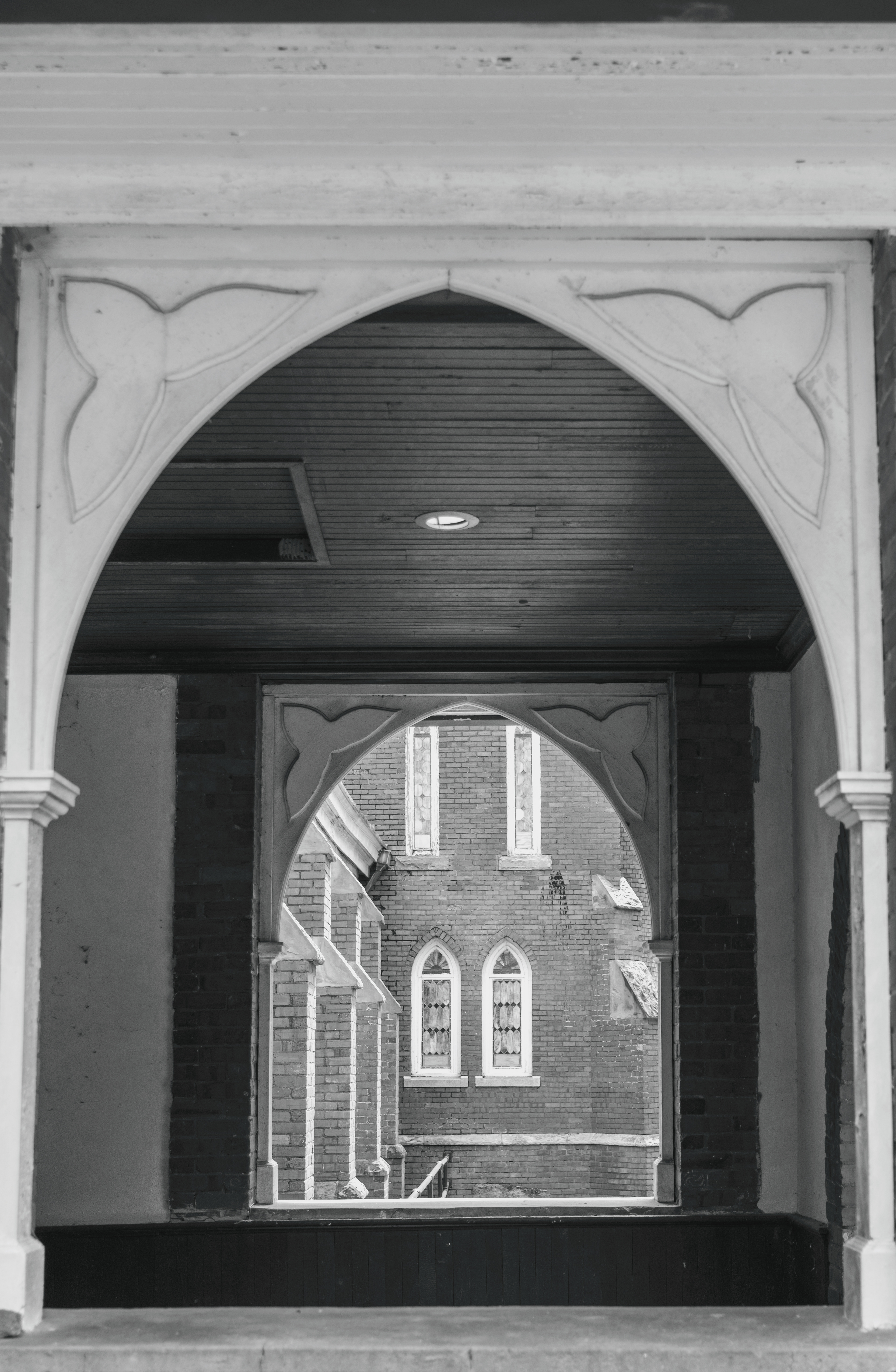
The college maintained a close relationship with the Episcopal Church, which supported its mission and helped in its development. James Solomon Russell's leadership was instrumental in securing funding and support from both religious and philanthropic sources.
The college maintained a close relationship with the Episcopal Church, which supported its mission and helped in its development. James Solomon Russell's leadership was instrumental in securing funding and support from both religious and philanthropic sources.
Expansion and Development (1940s-1960s):
Under the leadership of several presidents, St. Paul's College grew its academic offerings and student body.
The college played a vital role in the education of African Americans in the segregated South, offering programs in teacher education, the arts, and sciences.
Under the leadership of several presidents, St. Paul's College grew its academic offerings and student body.
The college played a vital role in the education of African Americans in the segregated South, offering programs in teacher education, the arts, and sciences.
Civil Rights Era and Challenges:
Like many historically Black colleges and universities (HBCUs), St. Paul’s College faced challenges during the Civil Rights Movement and the subsequent integration of public universities.
Despite these challenges, the college continued to serve its mission of providing education to underserved communities.
Like many historically Black colleges and universities (HBCUs), St. Paul’s College faced challenges during the Civil Rights Movement and the subsequent integration of public universities.
Despite these challenges, the college continued to serve its mission of providing education to underserved communities.
Later Years and Closure (1990s-2013):
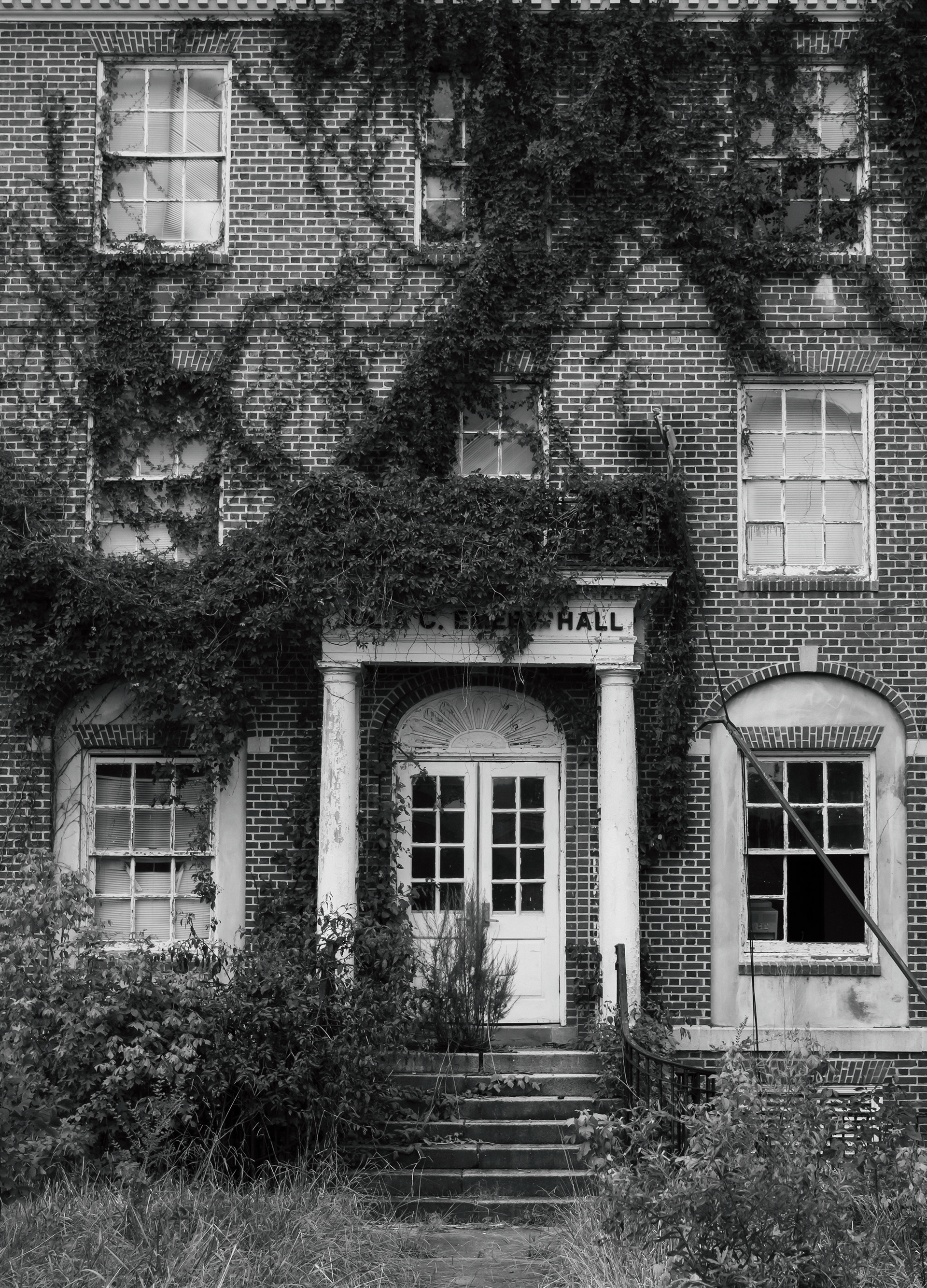
By the late 20th century, the college faced financial difficulties, declining enrollment, and challenges in maintaining accreditation. These issues led to the closure of St. Paul’s College in 2013, despite efforts to save the institution through fundraising and partnerships.
By the late 20th century, the college faced financial difficulties, declining enrollment, and challenges in maintaining accreditation. These issues led to the closure of St. Paul’s College in 2013, despite efforts to save the institution through fundraising and partnerships.
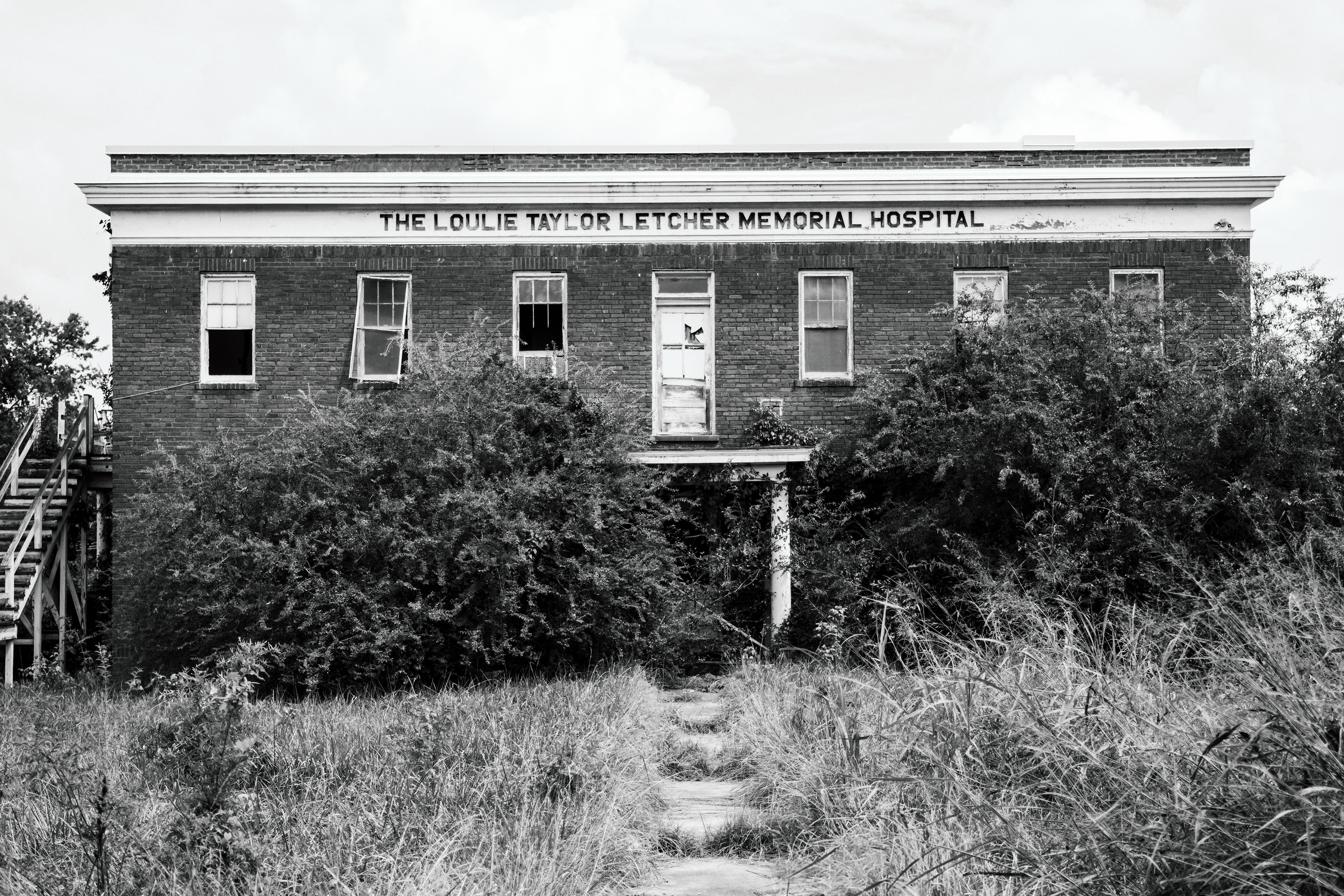
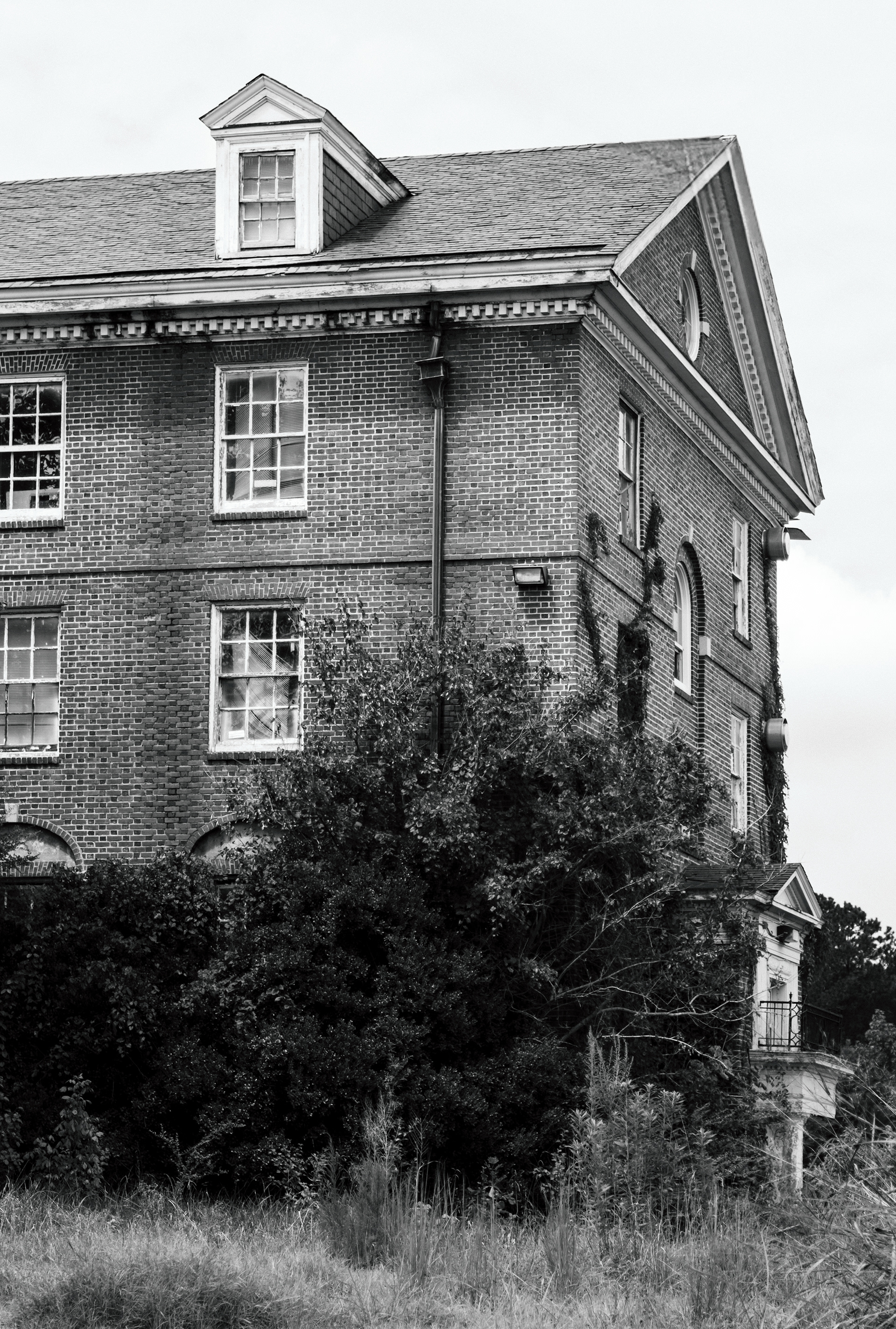
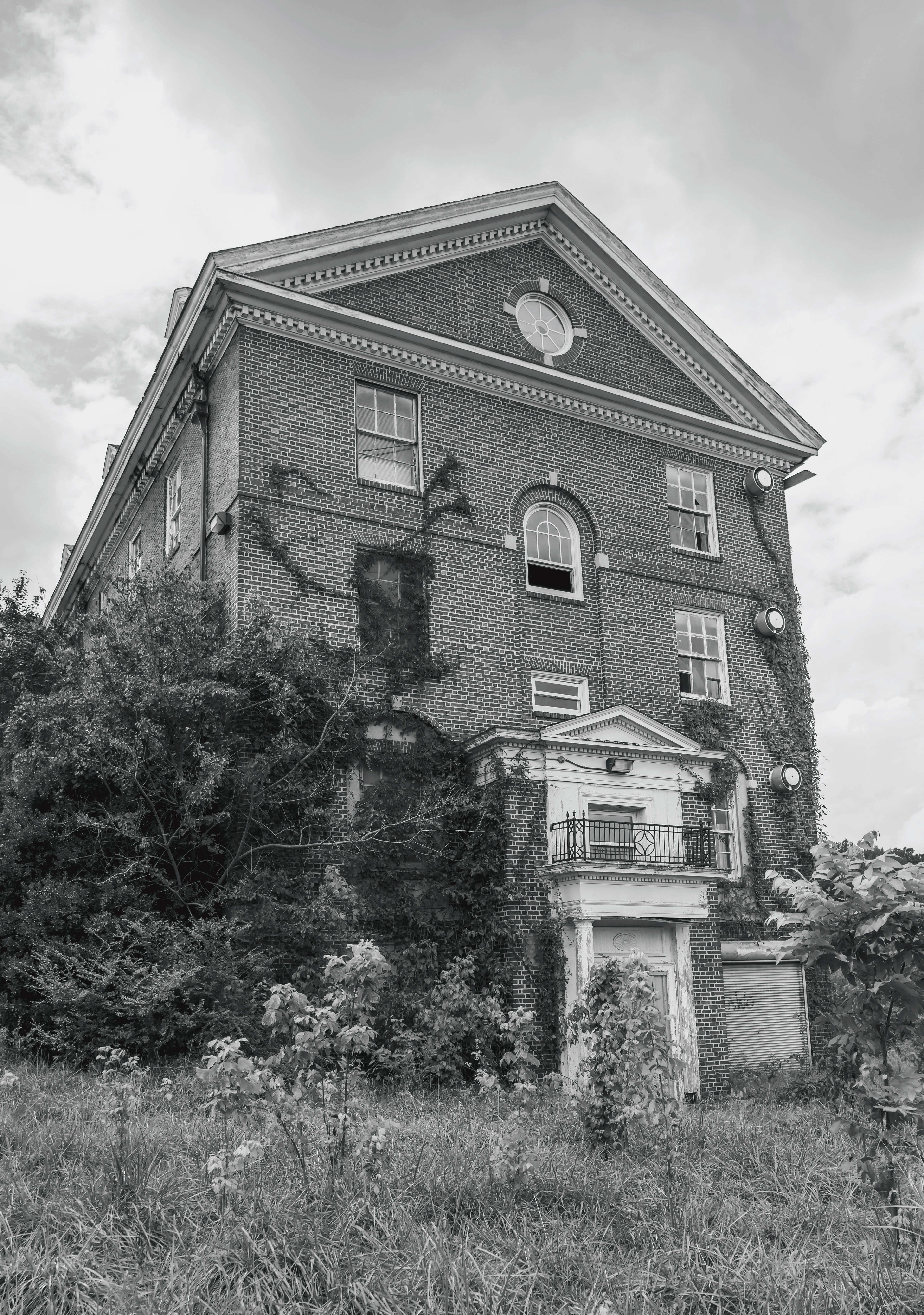
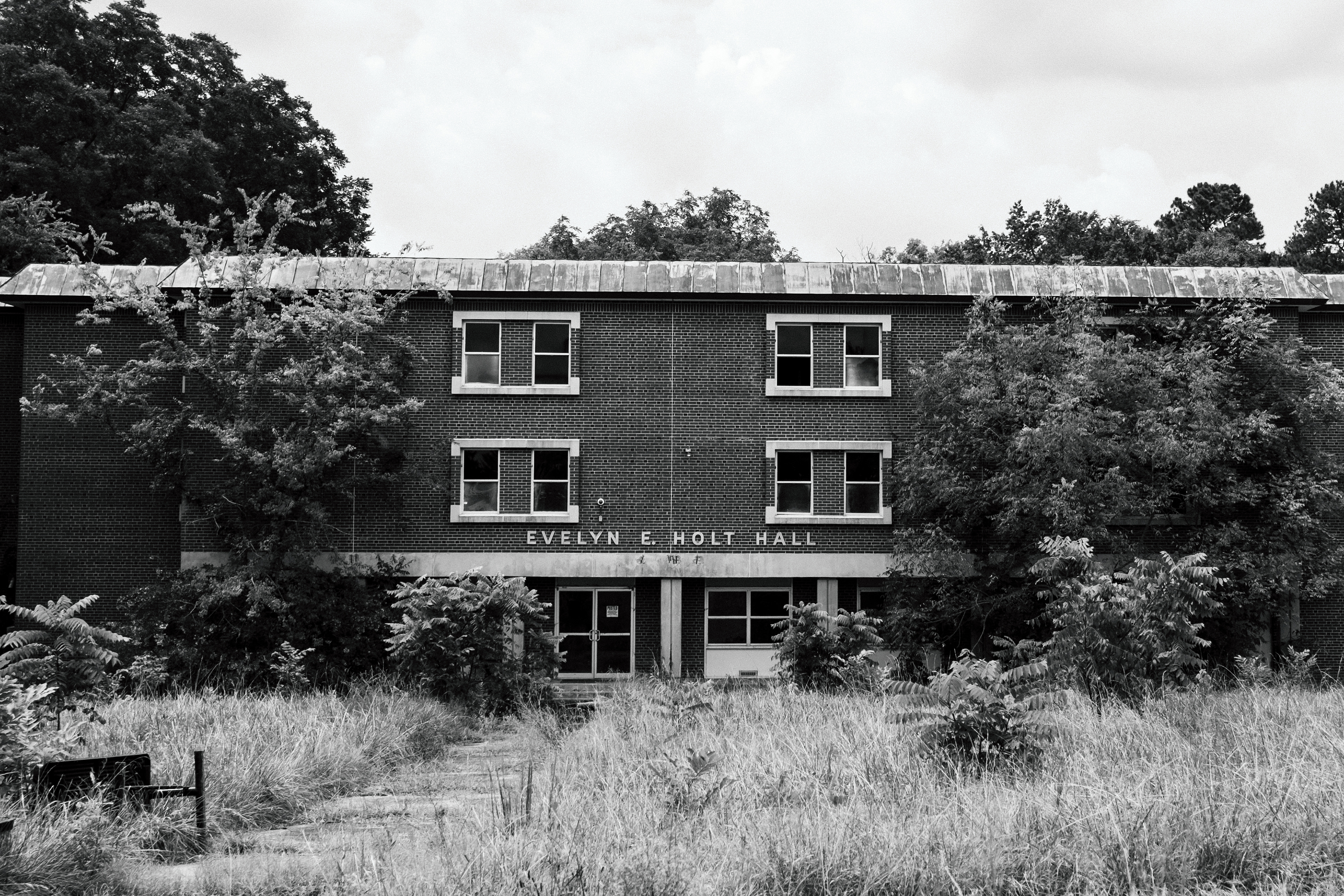
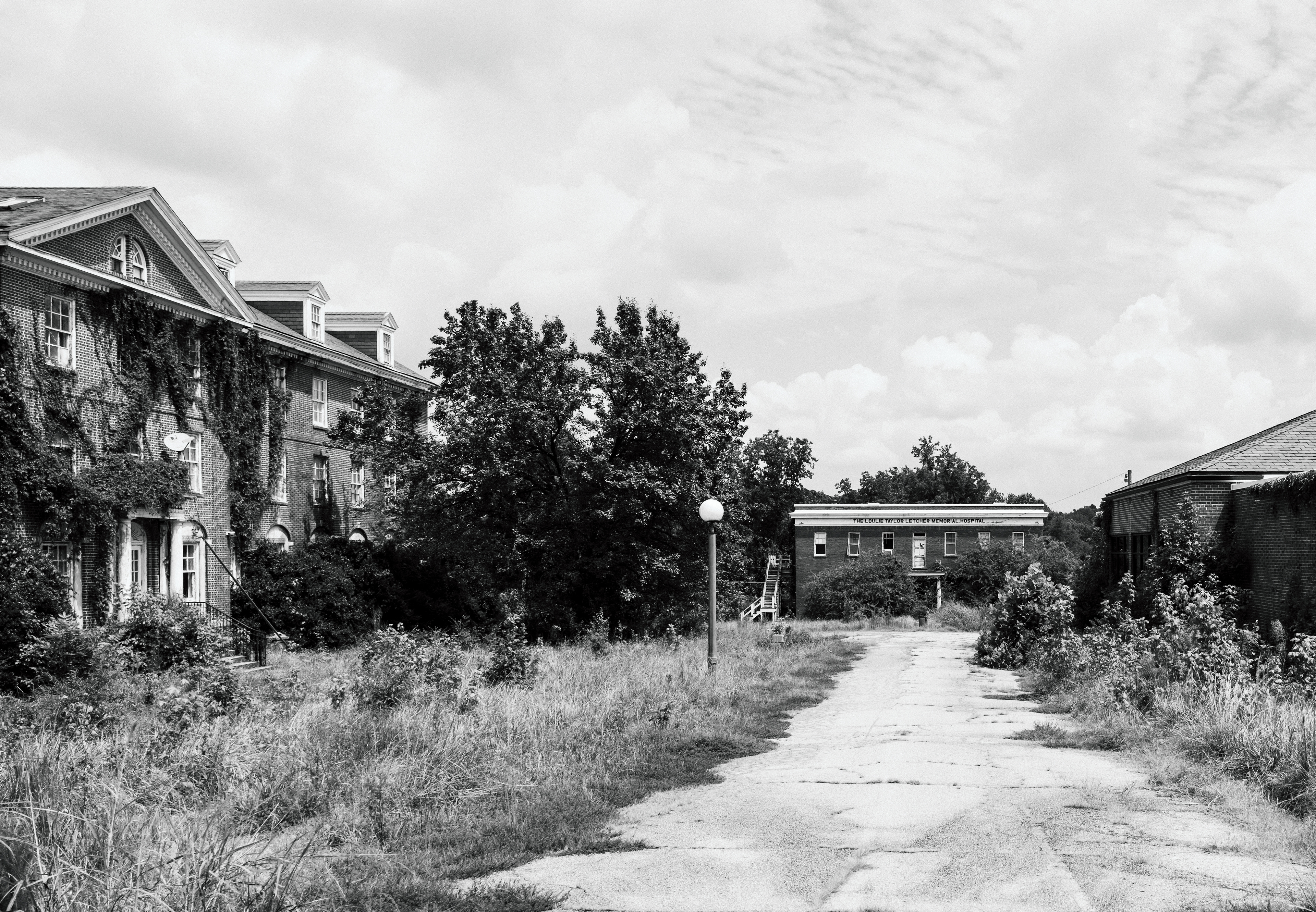
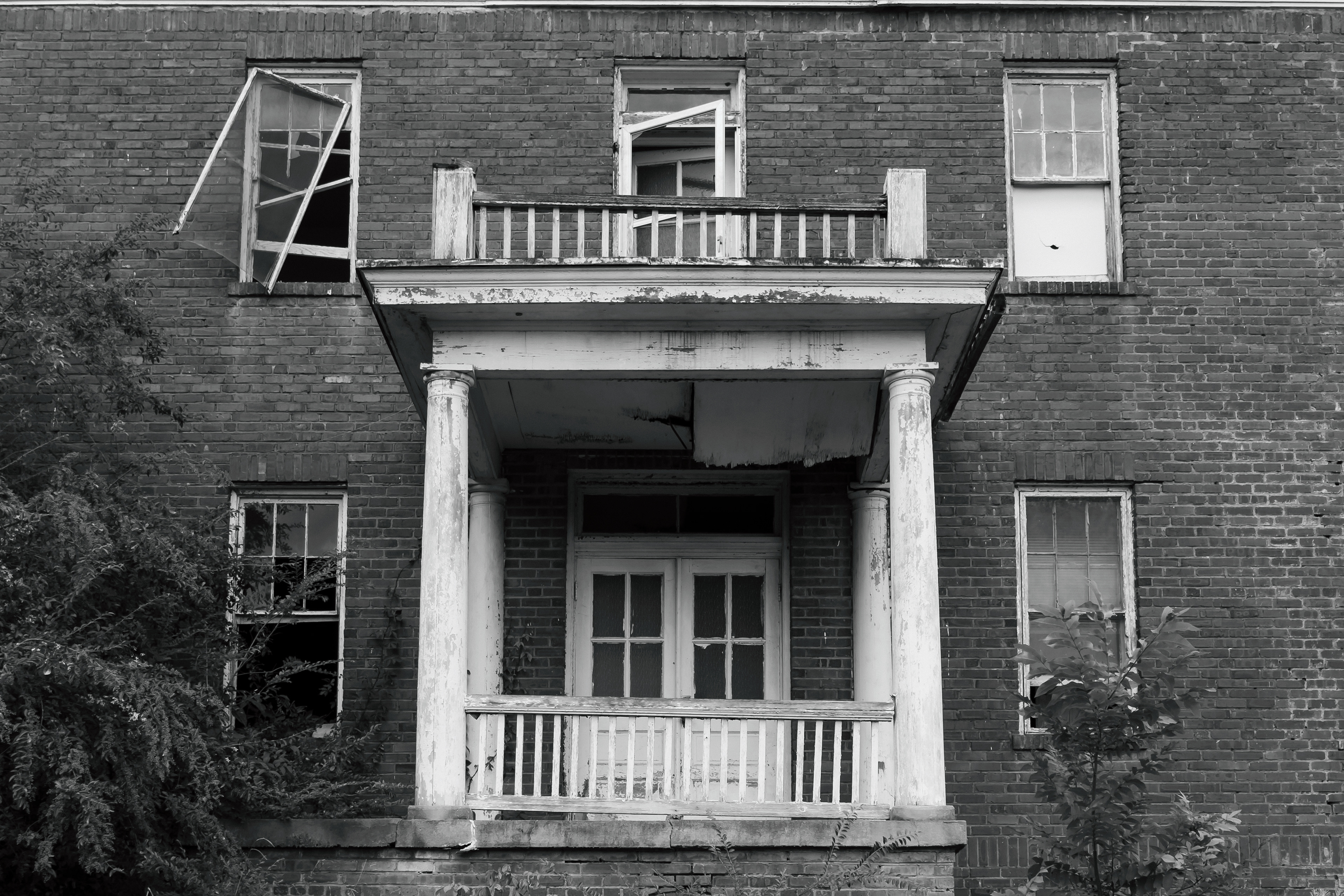
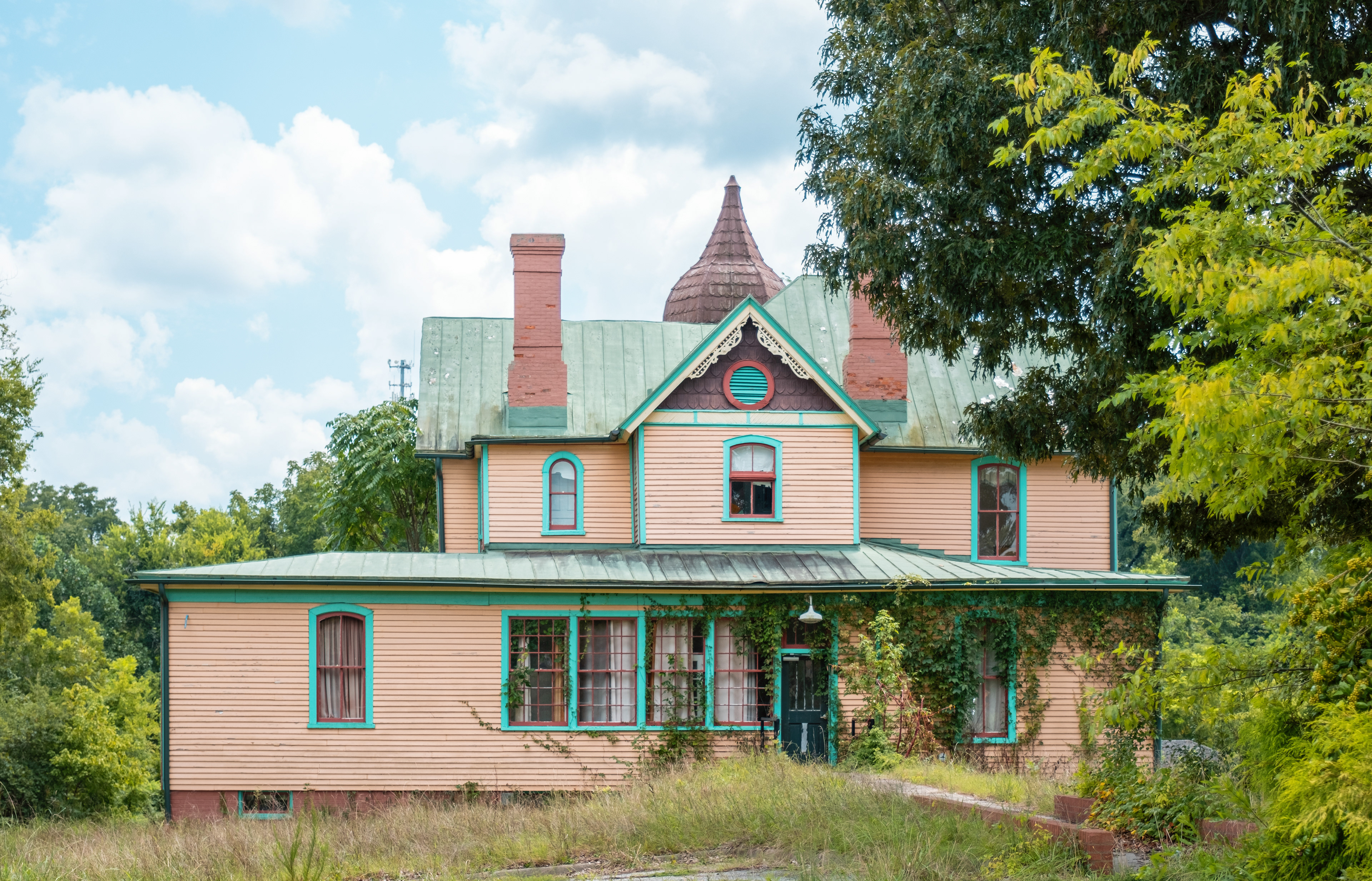
It's truly unfortunate to see such beautiful homes and dormitories in such a deteriorated condition.
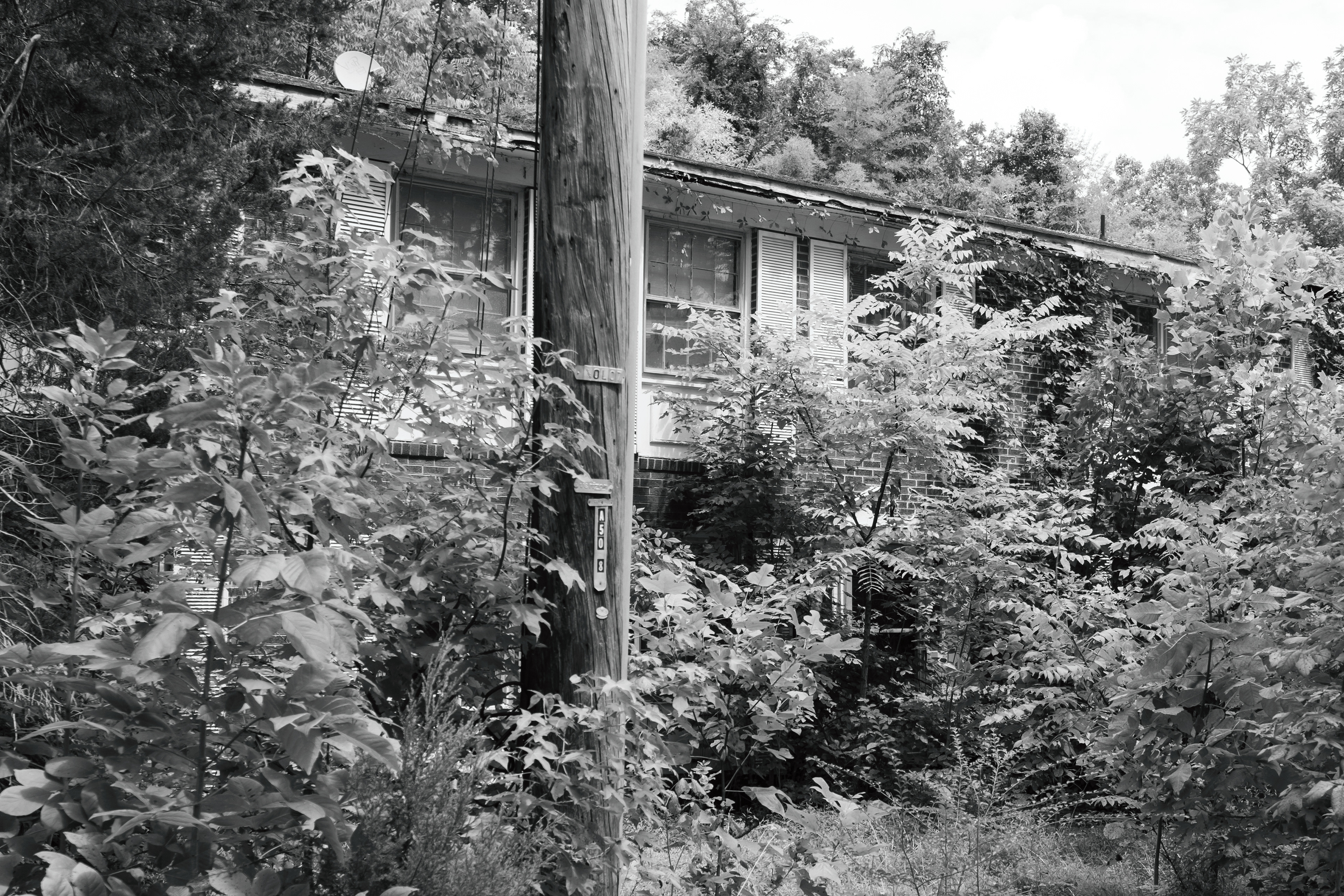
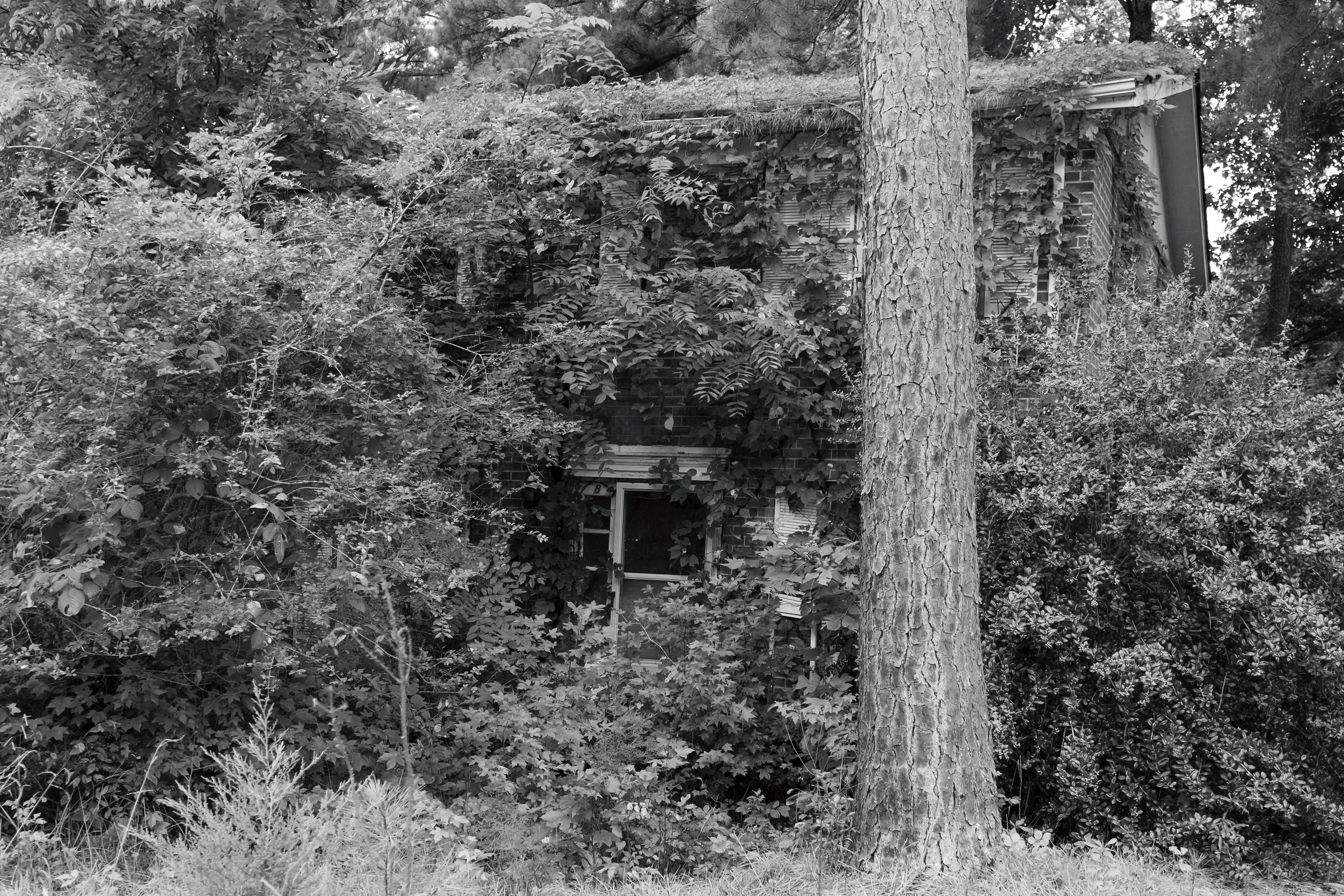
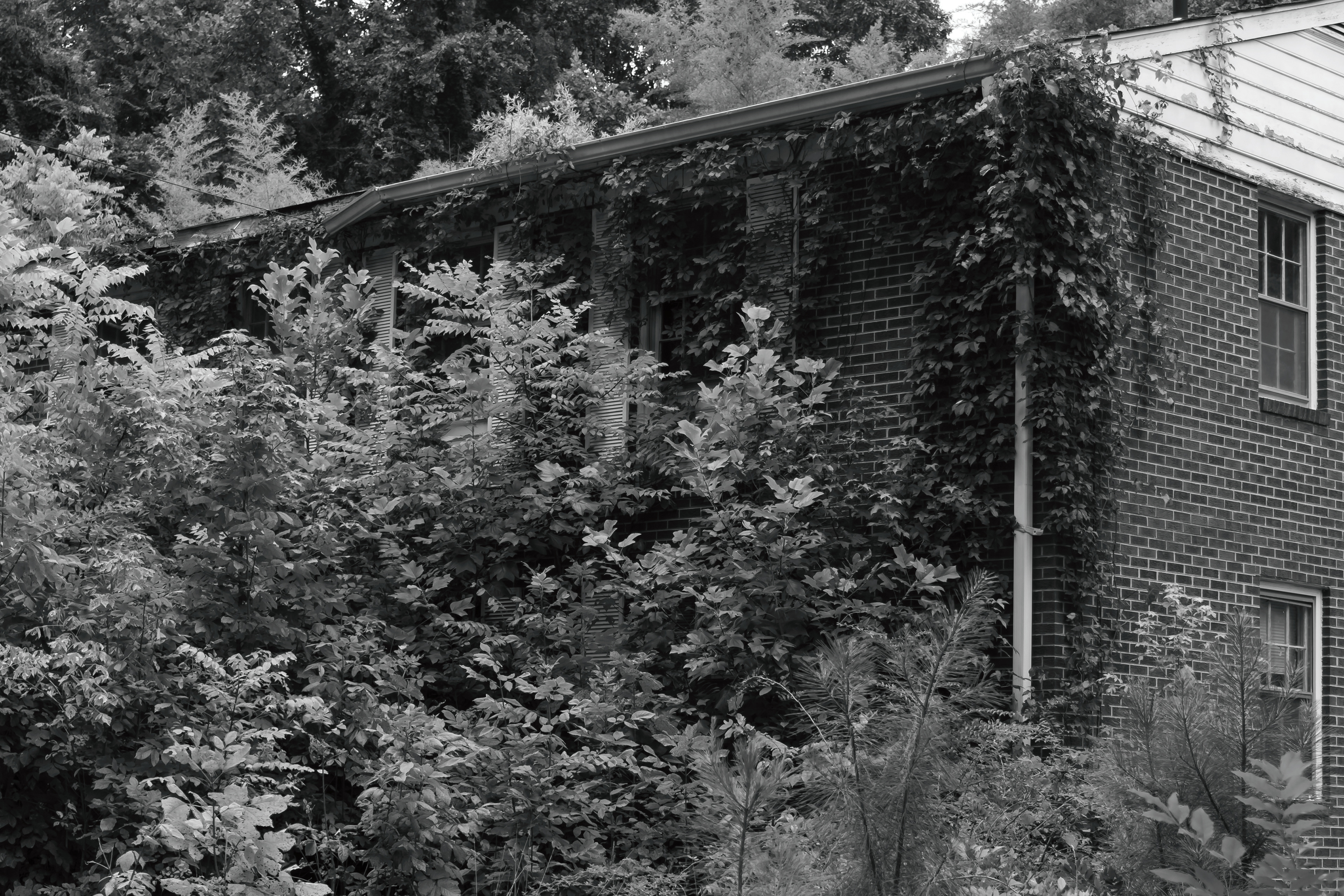
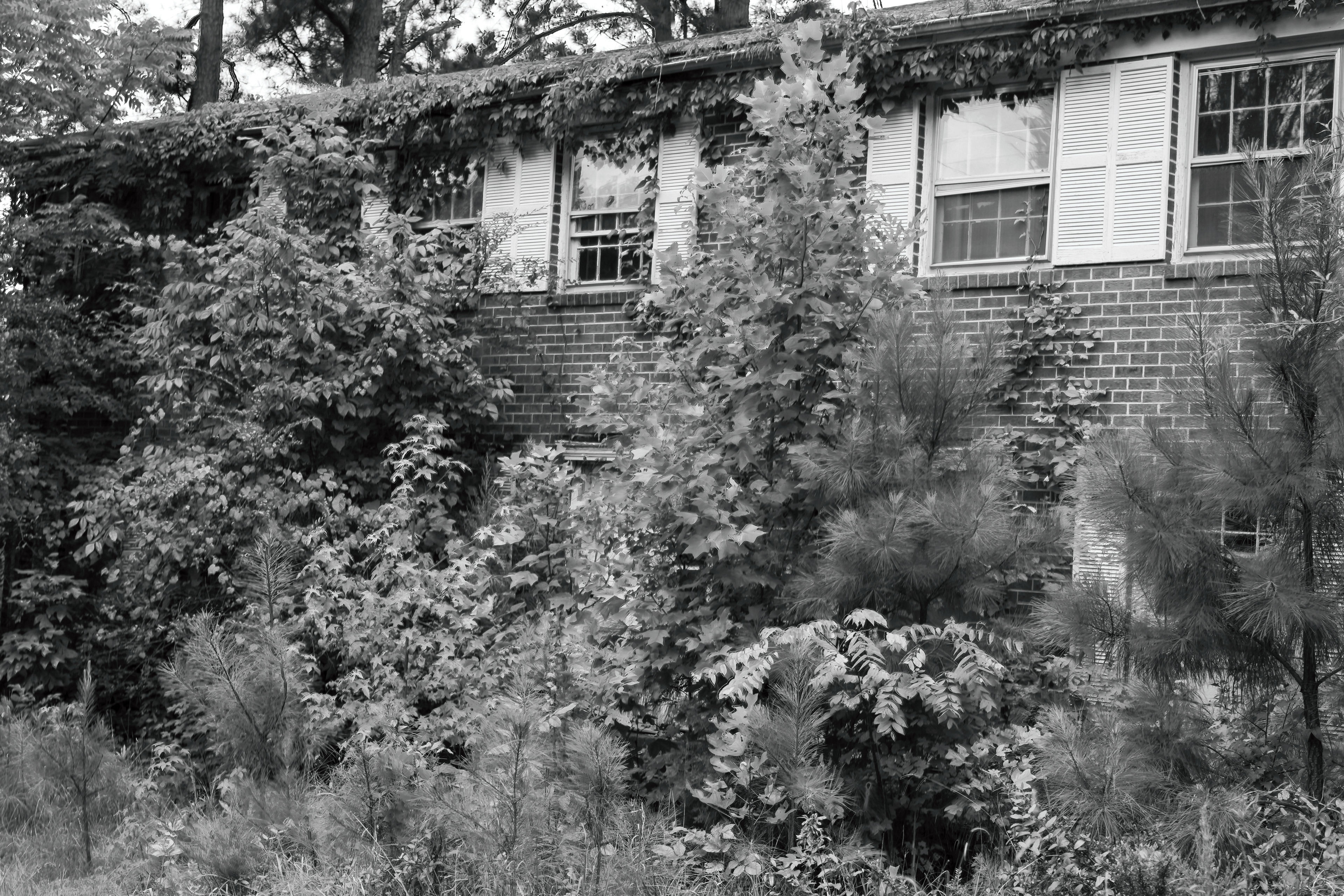
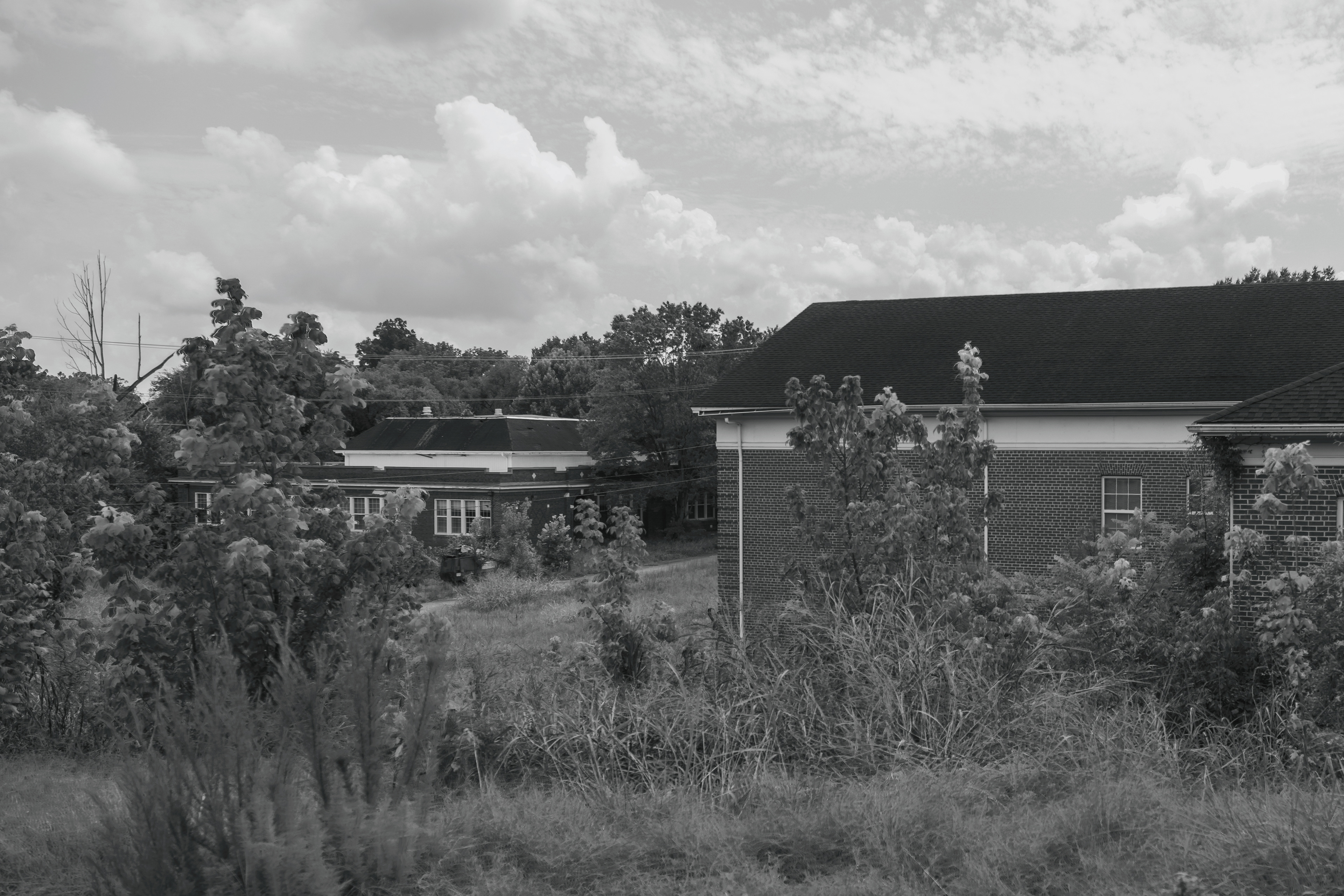
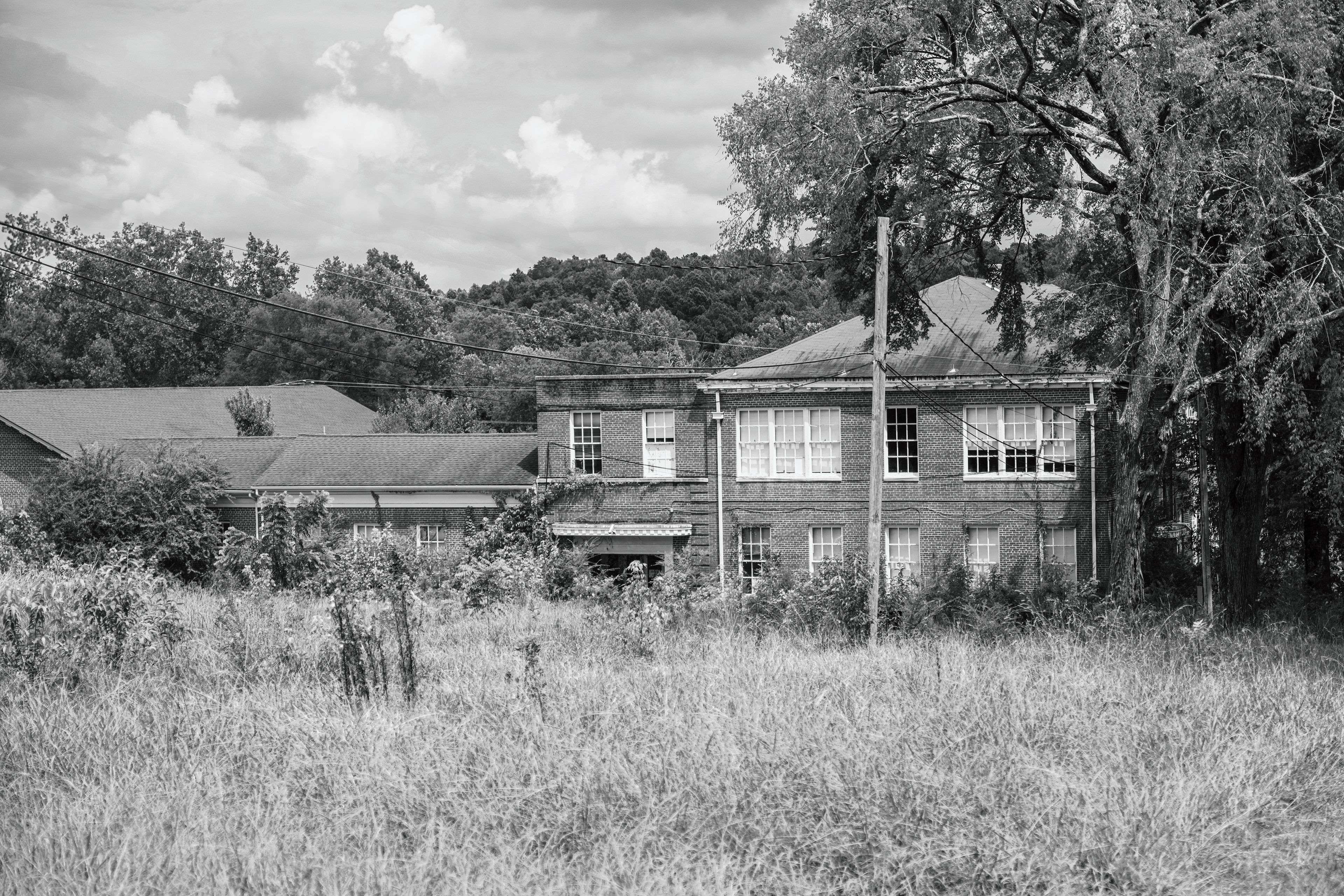
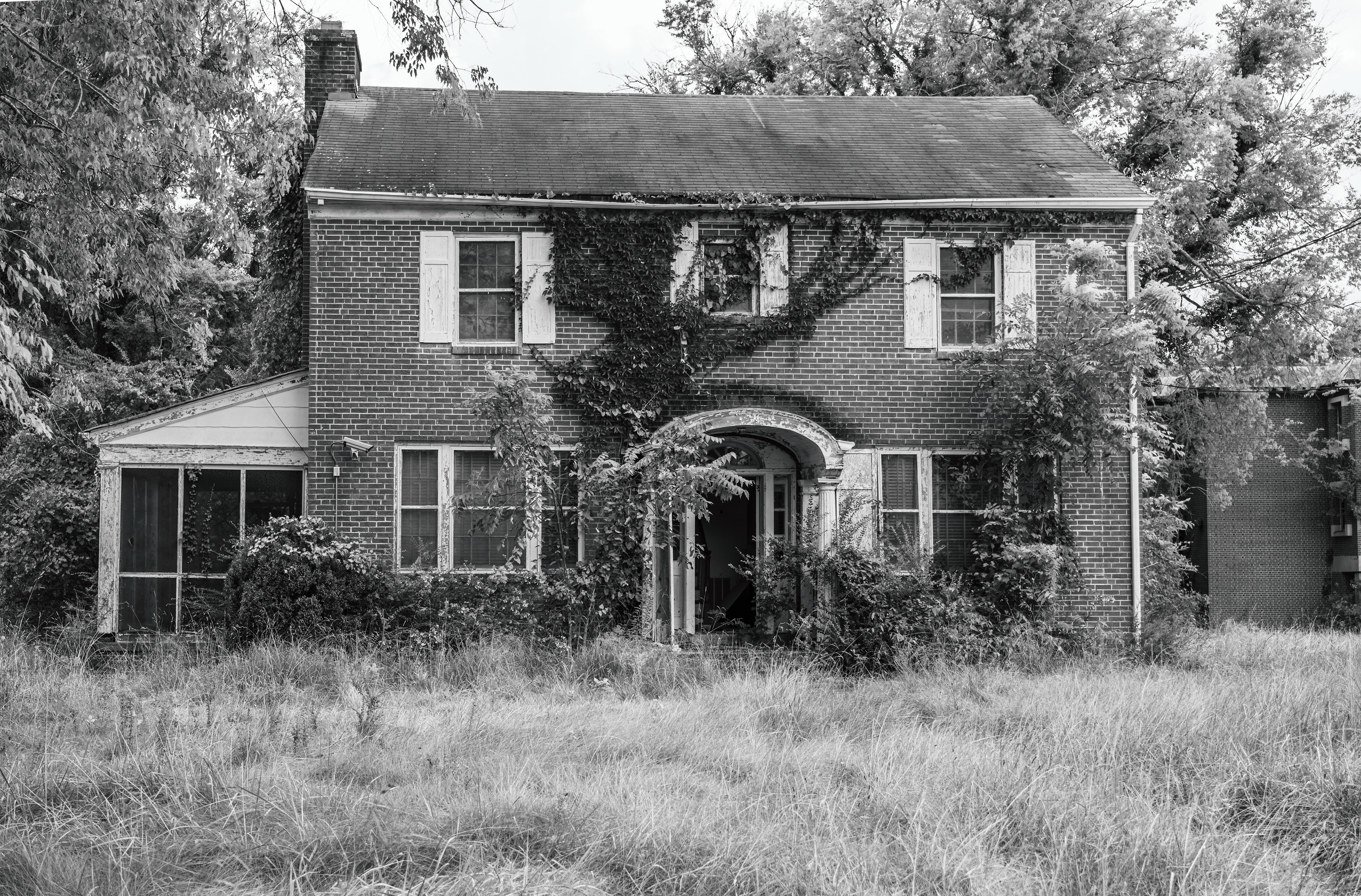
I want this house seen below!!
Legacy:
Although the college is no longer in operation, its legacy lives on through its alumni and the impact it had on African American education in Virginia and beyond.
Although the college is no longer in operation, its legacy lives on through its alumni and the impact it had on African American education in Virginia and beyond.
The campus and its buildings are part of the historic fabric of Lawrenceville, Virginia, with ongoing discussions about their preservation and possible repurposing.
St. Paul’s College remains an important part of the history of HBCUs and the broader history of African American education in the United States.
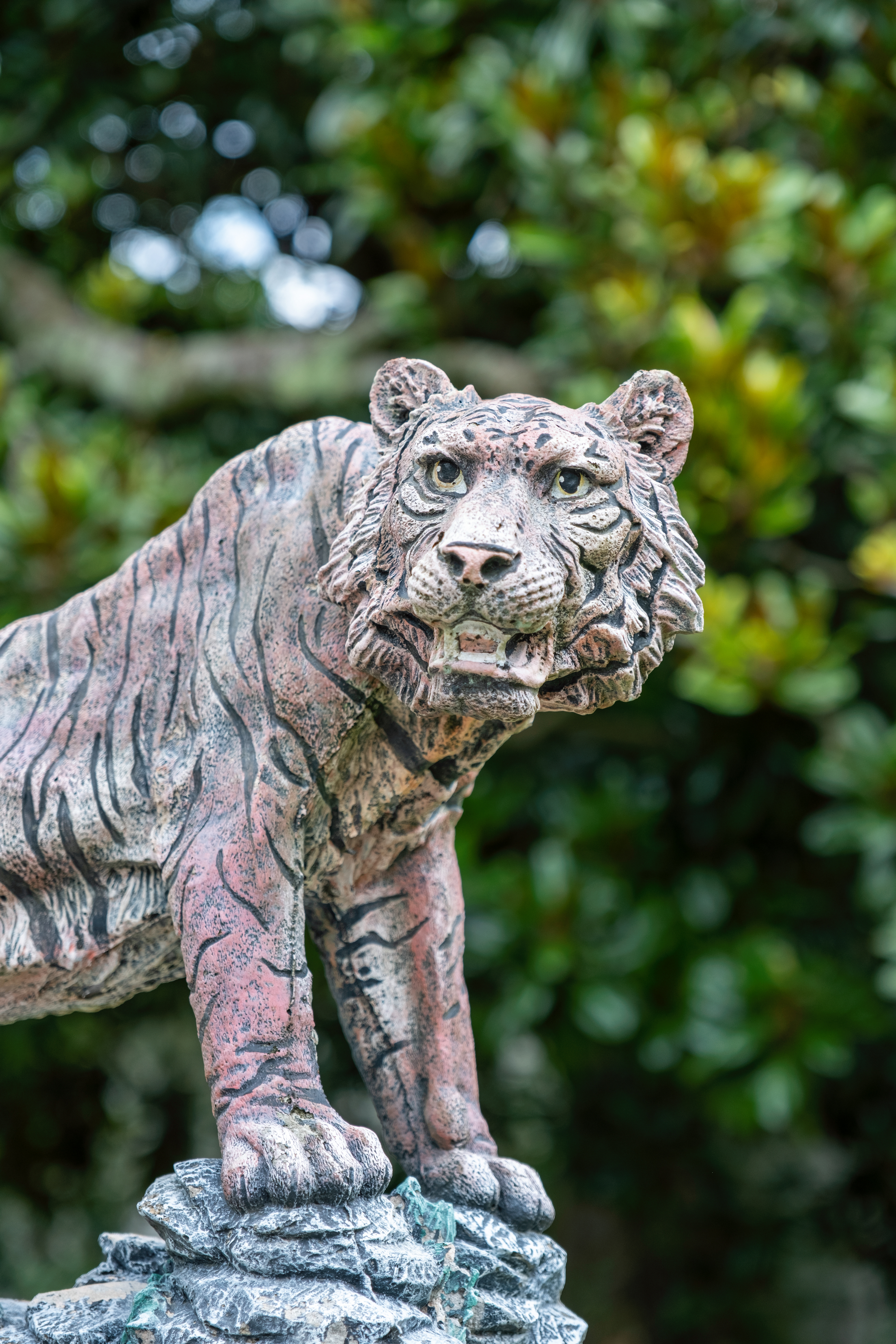
Saint Paul's College mascot still stands guard over the campus.