Heidelberg
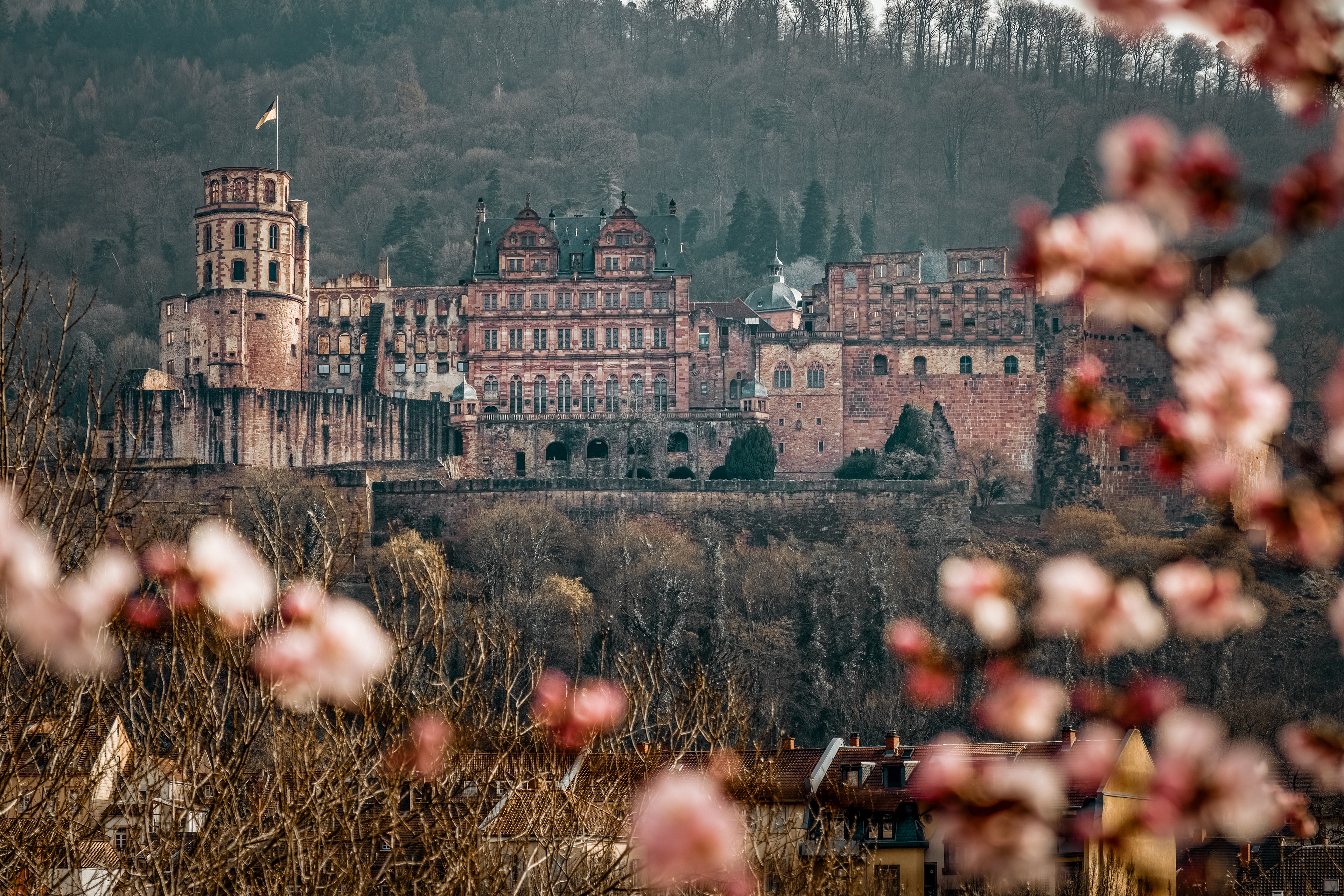
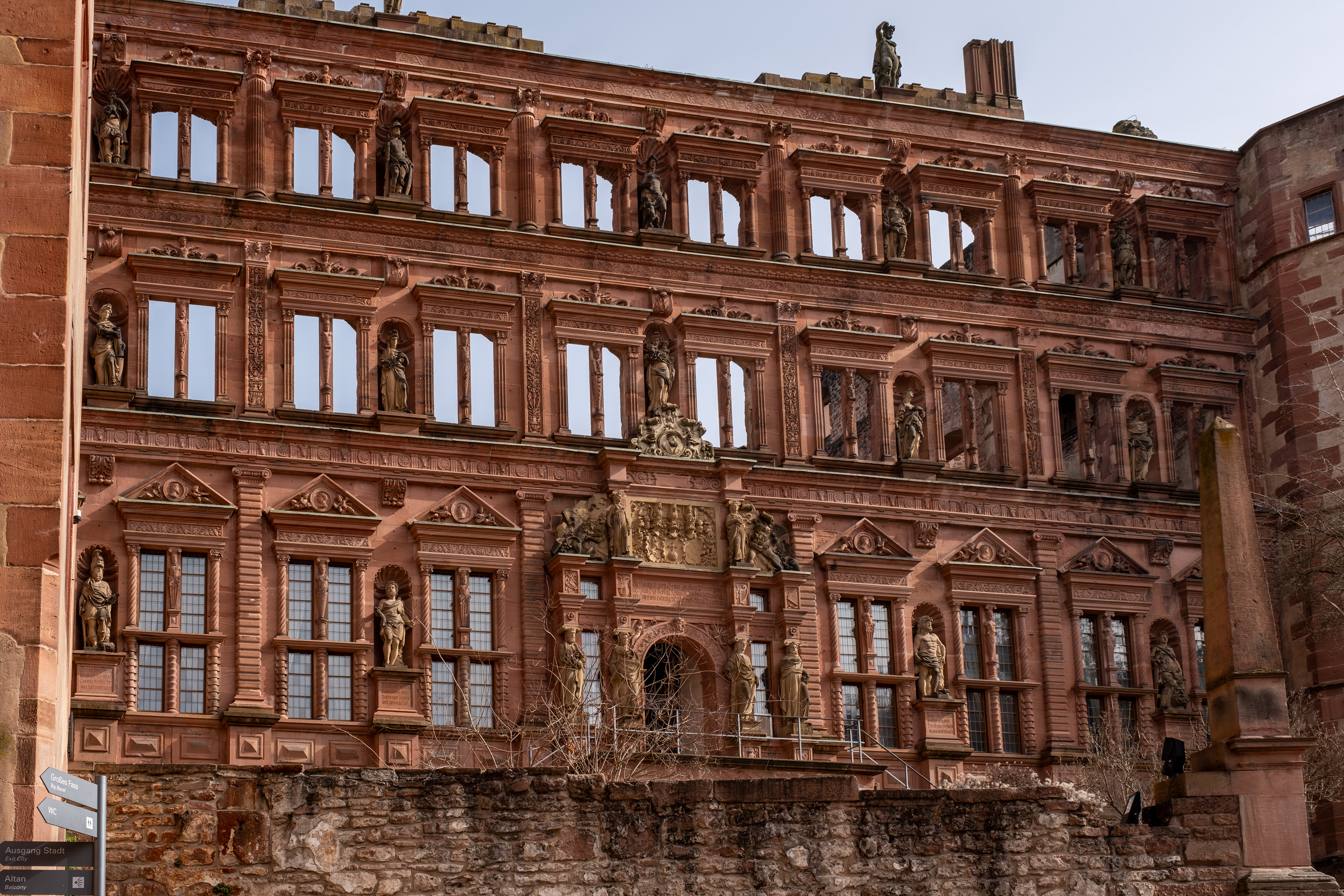
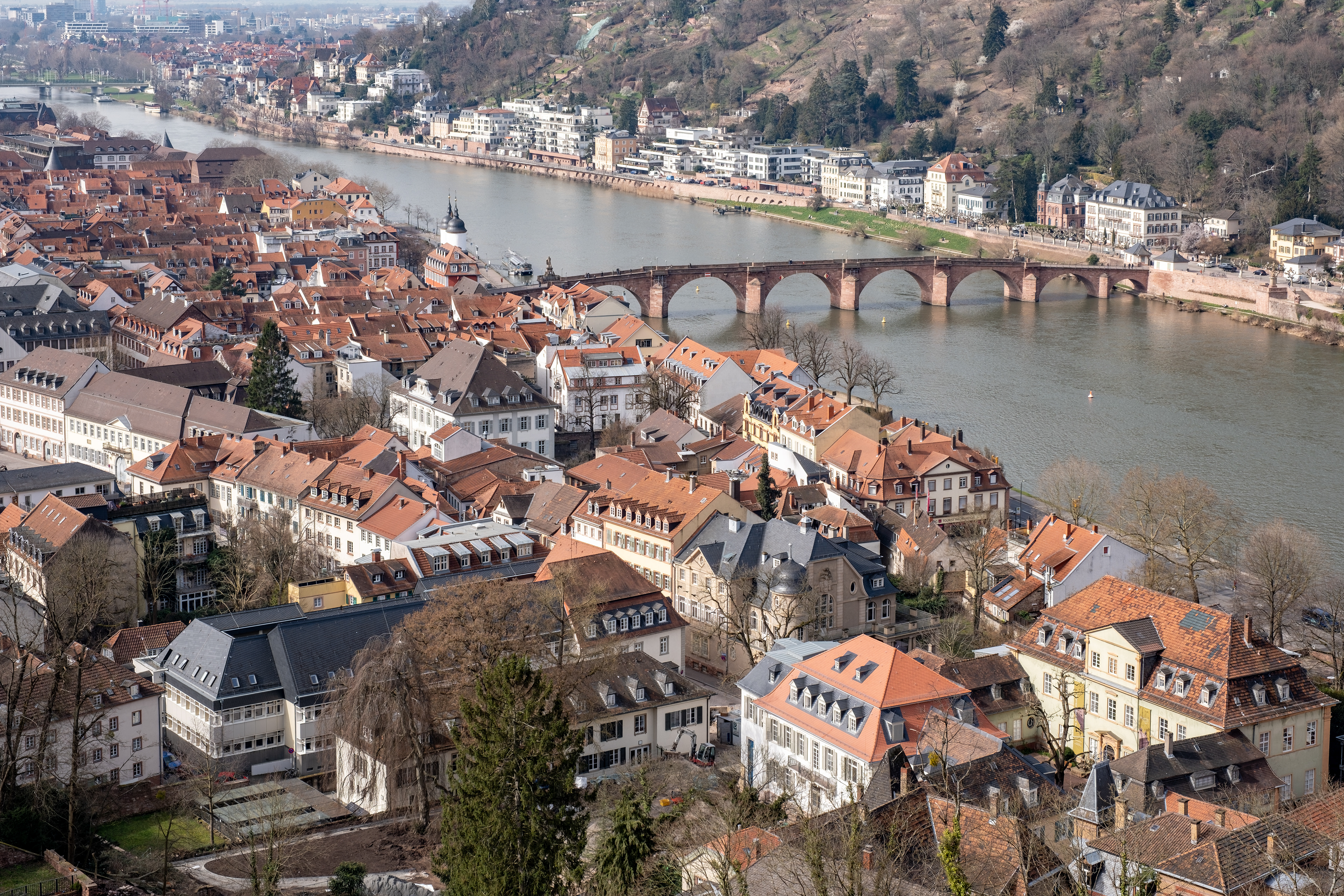
Perched above the Neckar River, Heidelberg Castle began as a fortress in the 13th century
and grew into a grand Renaissance residence for the Palatinate princes. It was repeatedly damaged
during the Thirty Years' War and later by French troops in the late 1600s, leaving much of it
in the romantic ruins seen today. By the 19th century, the castle became a symbol of
German Romanticism, drawing artists and travelers who were captivated by its dramatic
beauty and layered history.
Munich
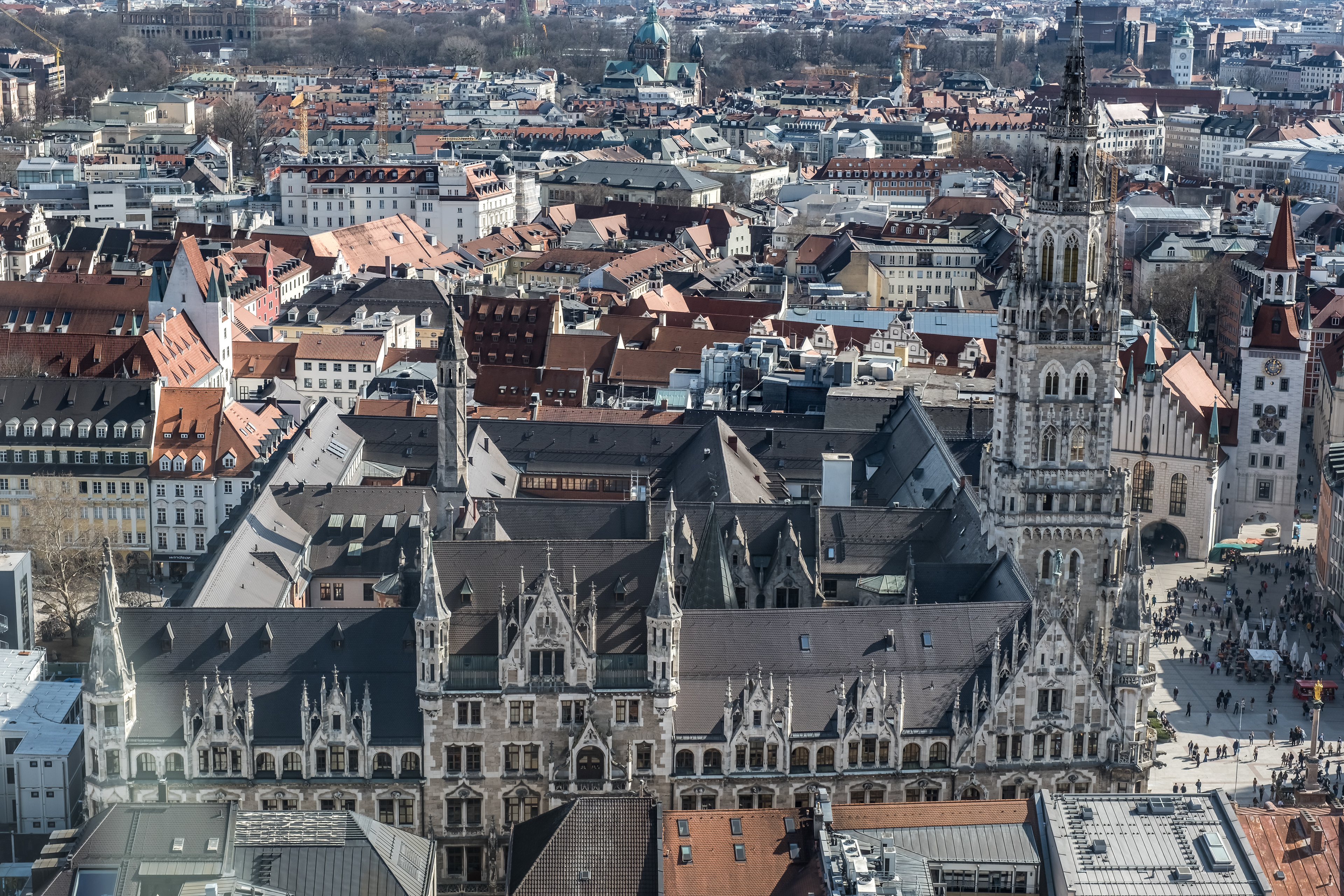
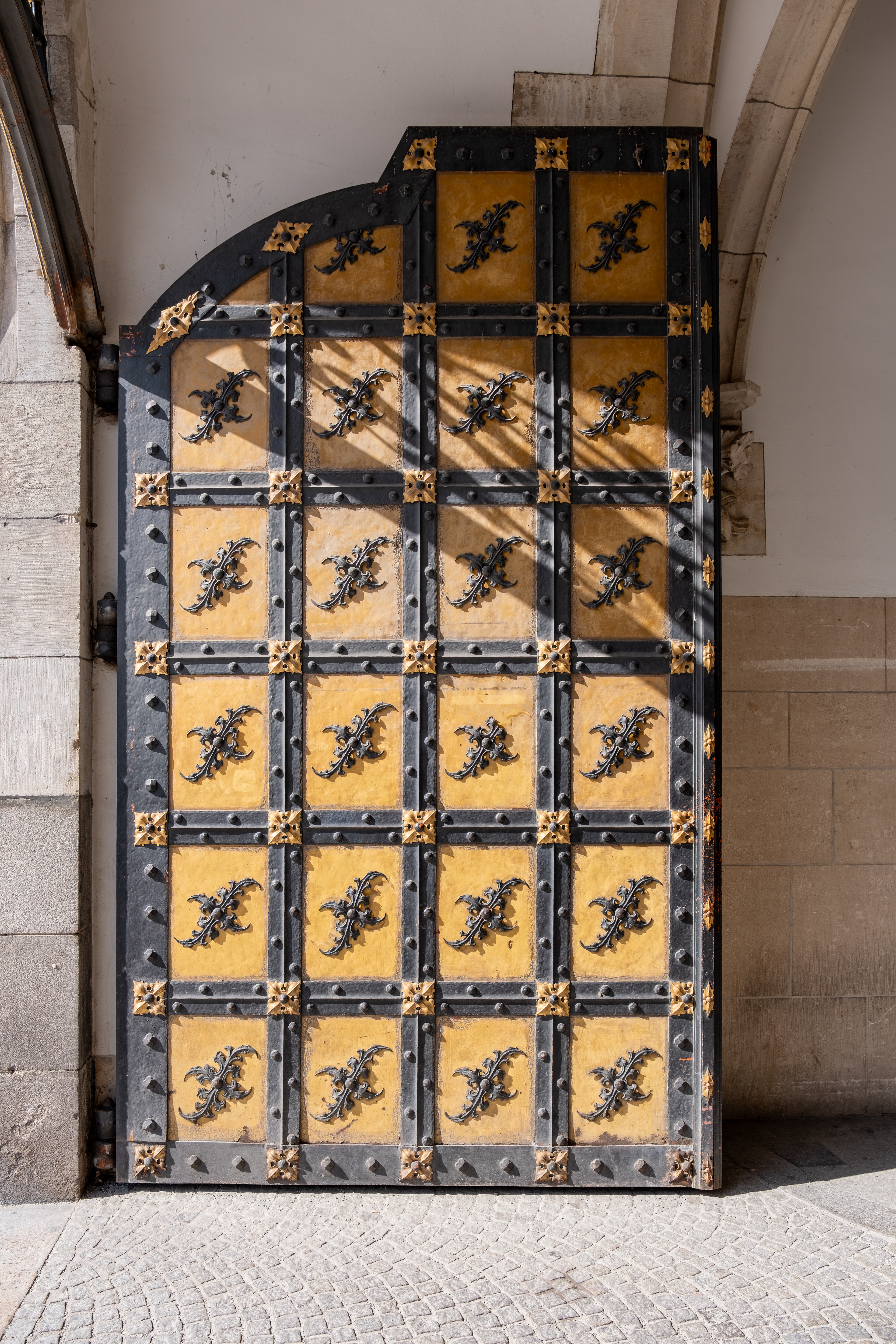
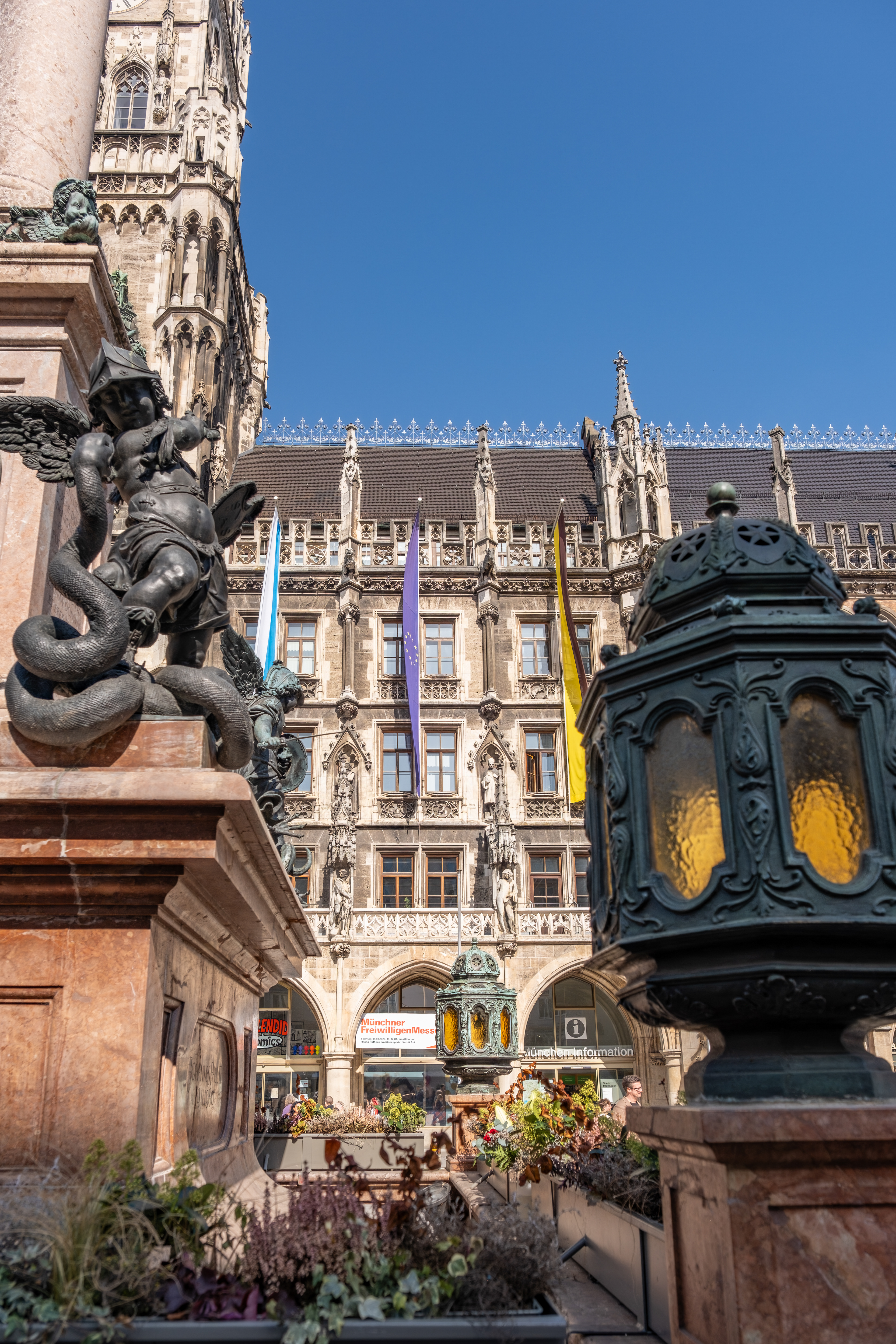
Munich was founded in 1158 as a small settlement of monks, growing quickly thanks to its
position along important salt trade routes. It became the capital of Bavaria in the 16th century
and flourished as a center of art, culture, and architecture under the rule of the
Wittelsbach dynasty. In the 20th century, Munich played a significant role in
Germany’s history, including its connection to the rise of Nazism, before rebuilding
into the vibrant, modern city known today.

Bavaria
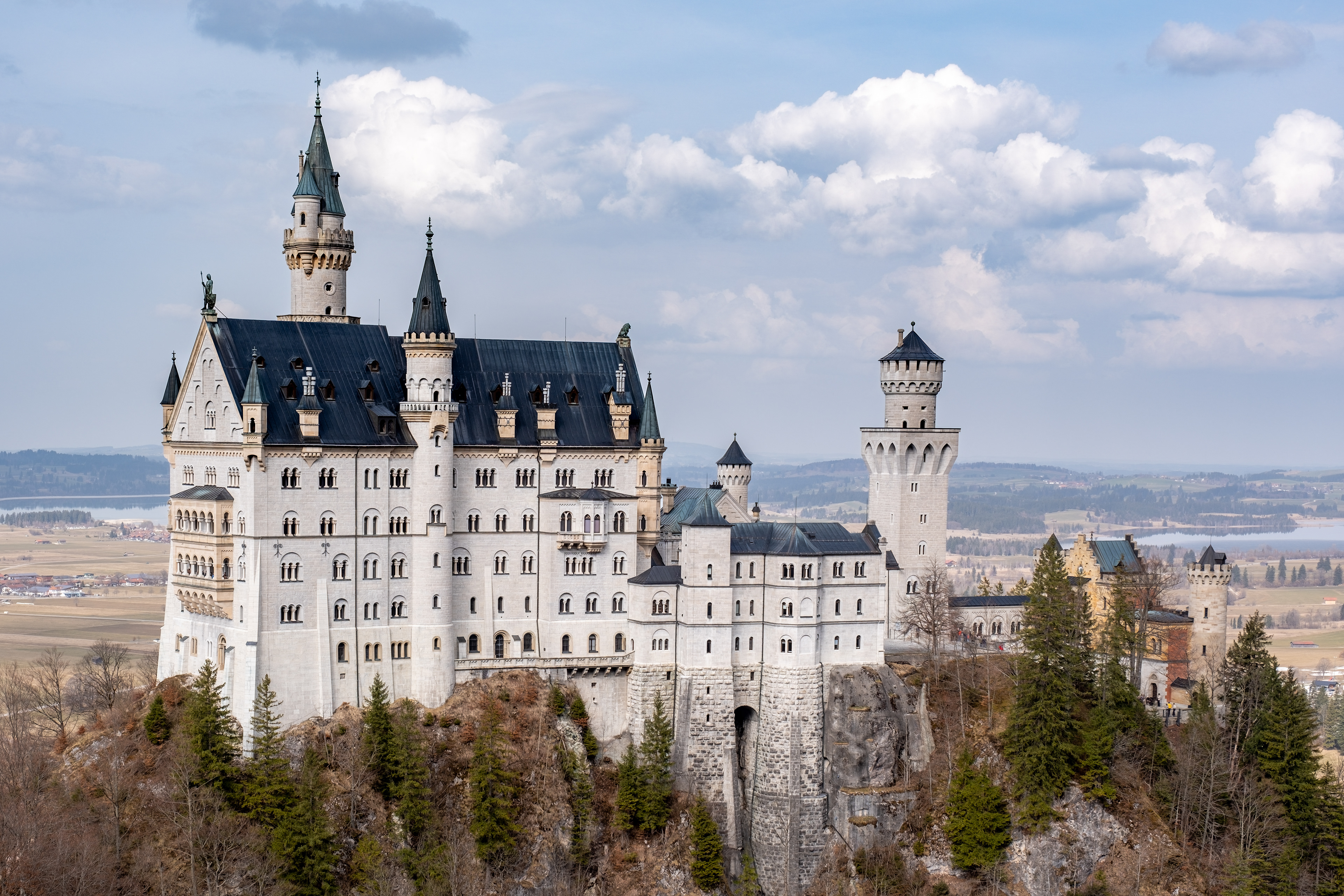
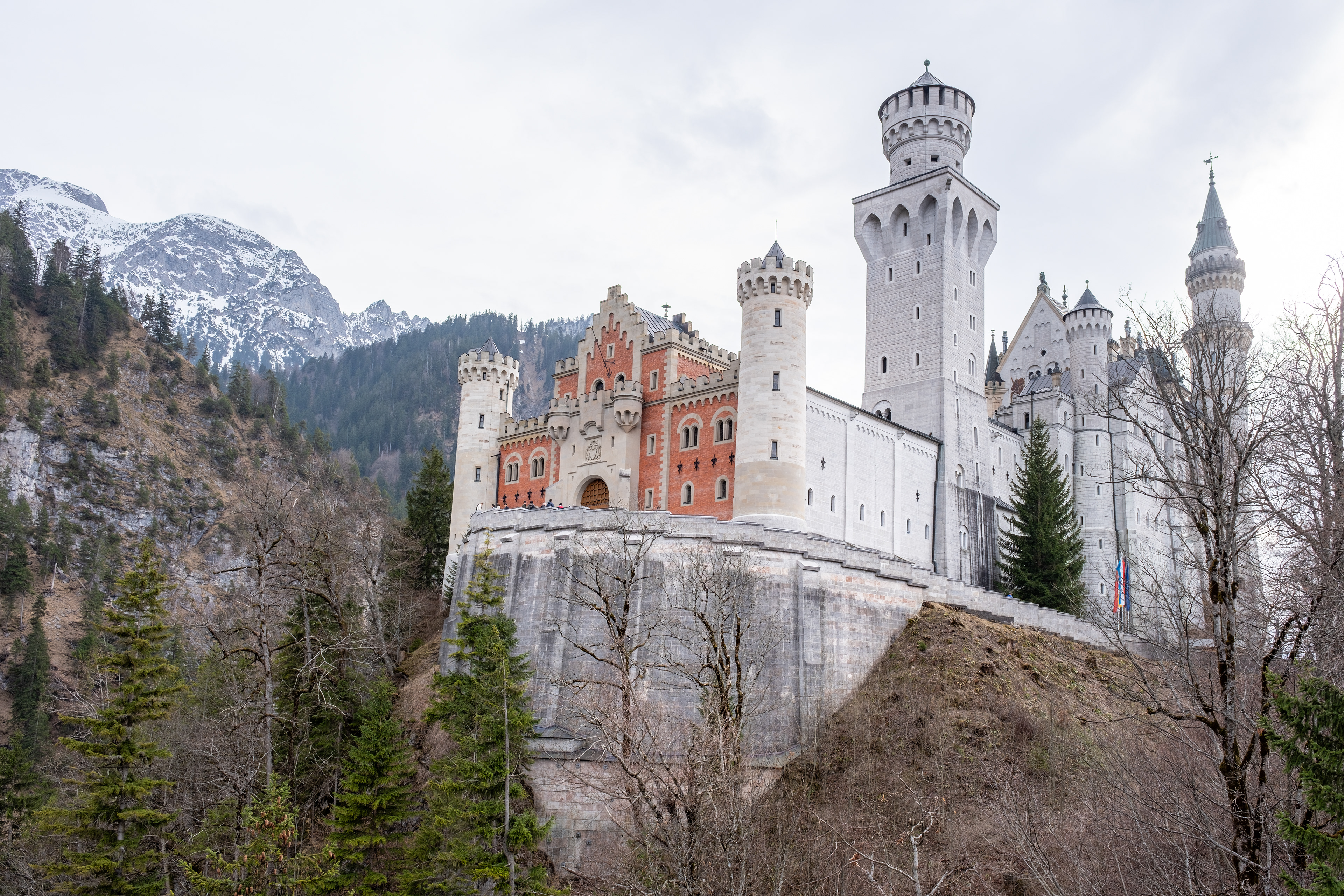
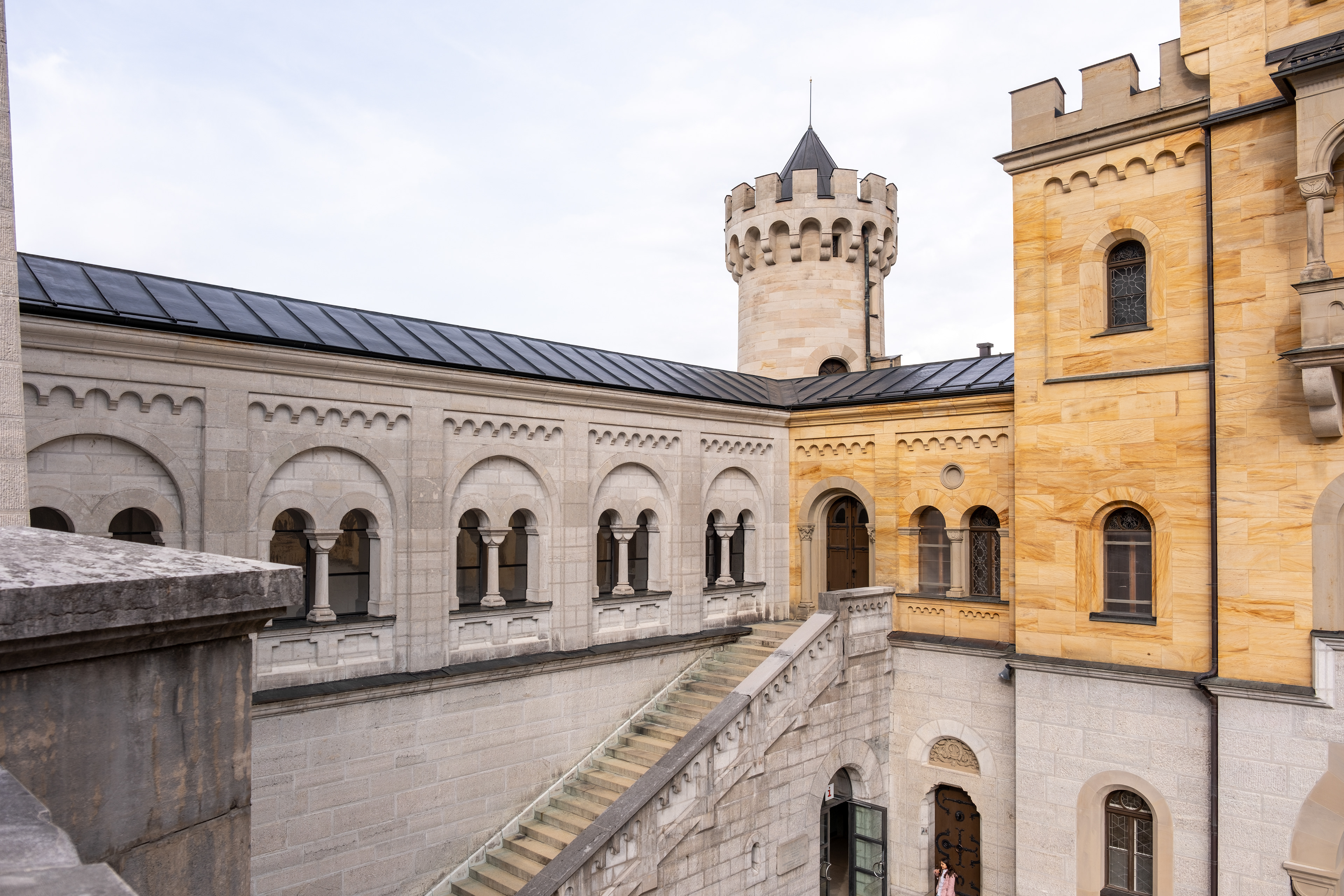
Neuschwanstein Castle was commissioned in 1869 by King Ludwig II of Bavaria as a
private retreat inspired by medieval legends and the operas of Richard Wagner.
The castle was never fully completed and was opened to the public shortly after
Ludwig’s mysterious death in 1886. Today, its fairy-tale design has made it one of
Germany’s most iconic landmarks, even inspiring the look of Walt Disney castle imagery.
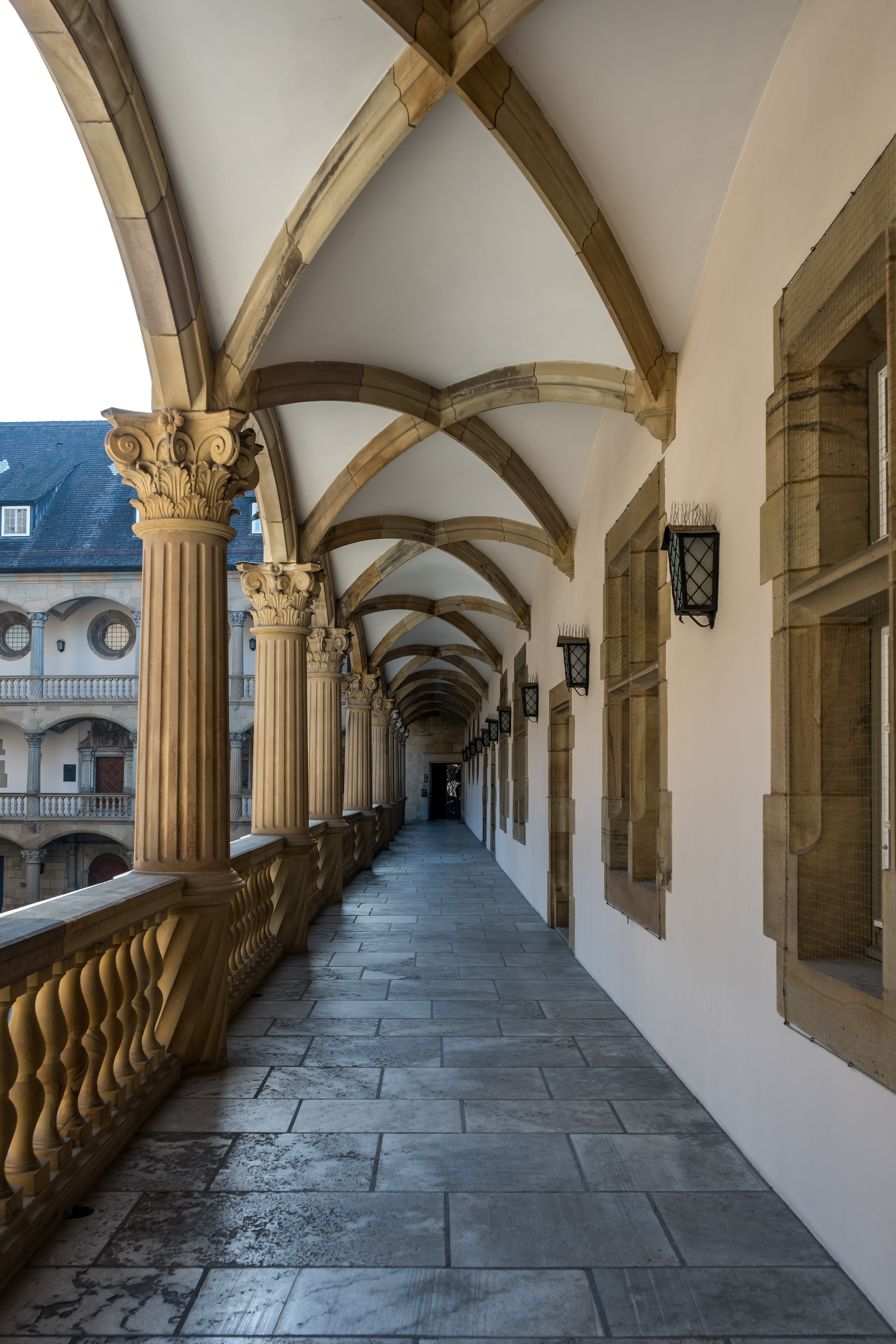
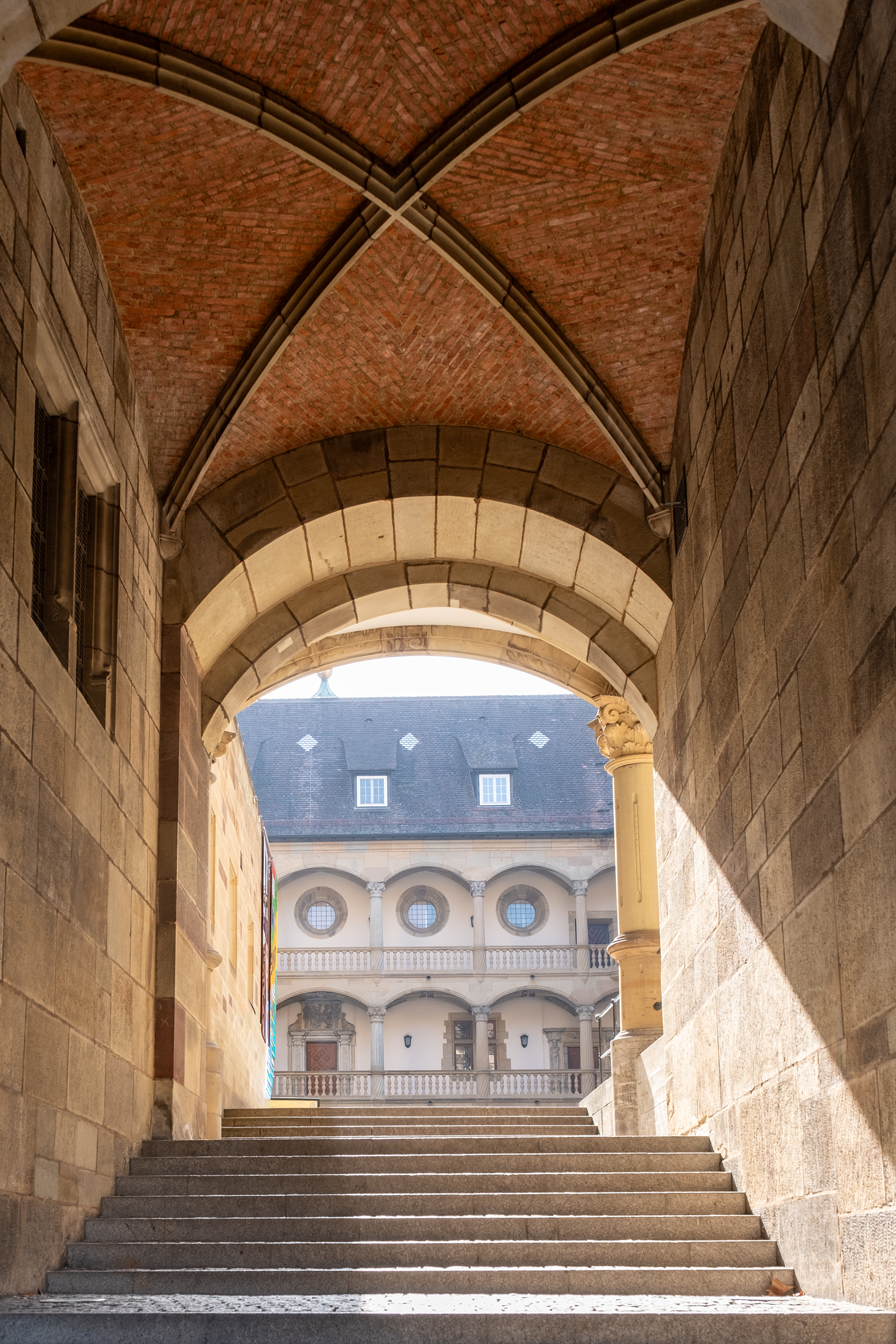
Stuttgart
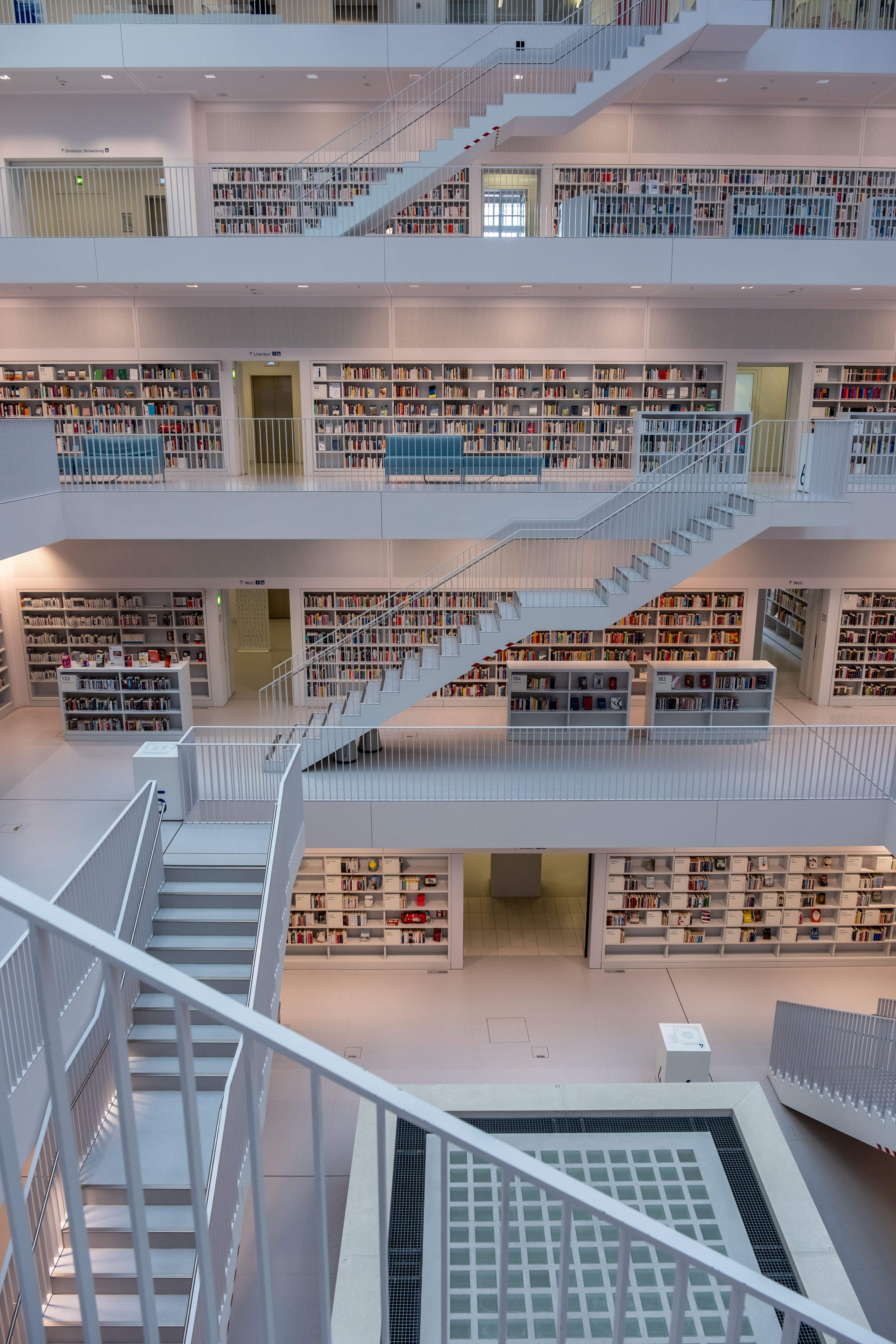
Stuttgart was founded around the 10th century as a stud farm, giving the city its name
derived from “Stuotgarten.” It grew into the seat of the Counts and later the
Kings of Württemberg, developing into a center of industry and culture over the
centuries. In the modern era, Stuttgart became a powerhouse of automotive
innovation, home to brands like Mercedes-Benz and Porsche.

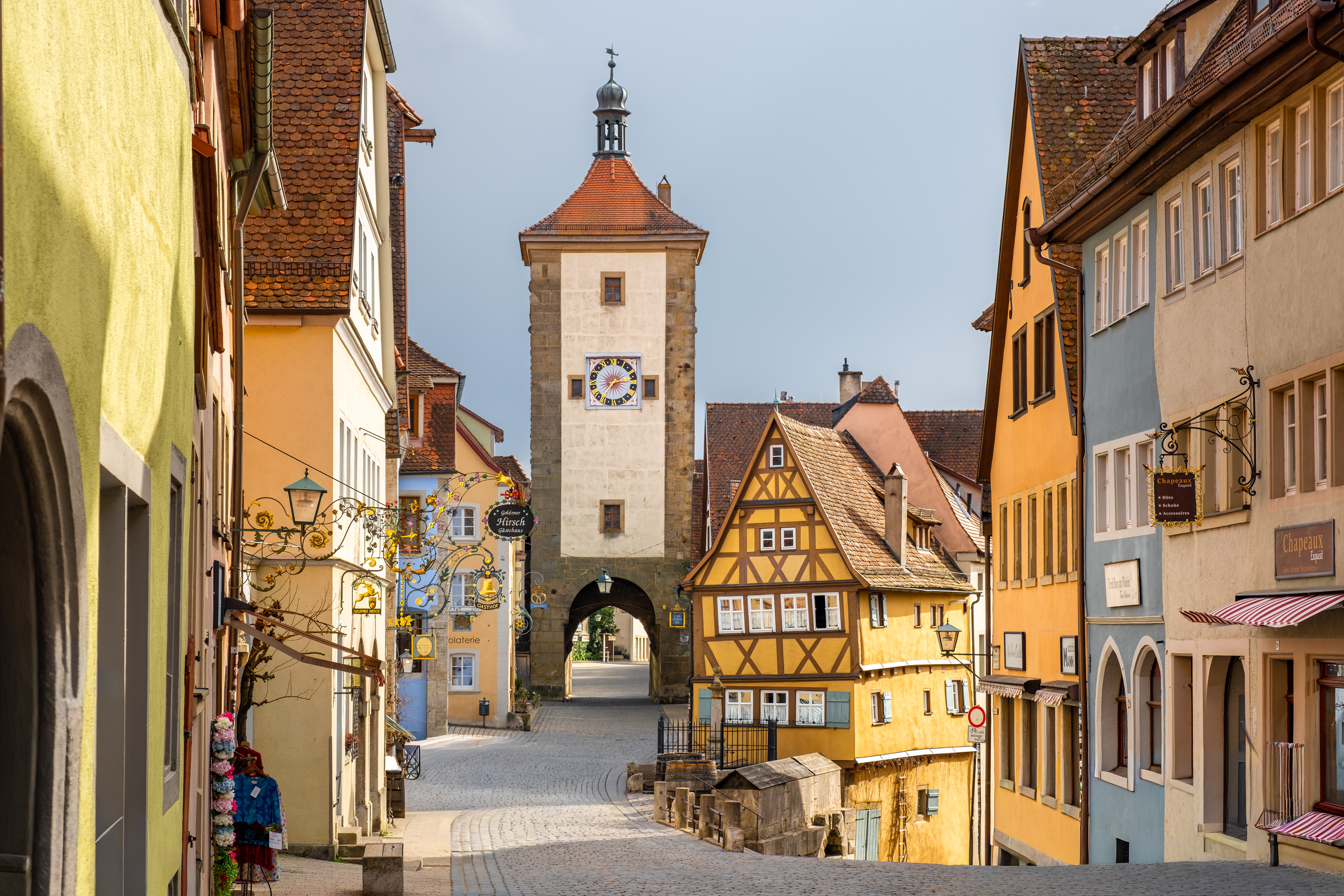
Rotenburg
Rotenburg an der Wümme originated in the 13th century as a fortified settlement
along trade routes between Bremen and Hamburg. It developed as a small but strategic
market town under various local rulers, surviving wars and territorial changes over the centuries.
Today, Rotenburg an der Wümme is known for its well-preserved medieval town center
and charming half-timbered architecture that reflects its historical roots.